
02 Aug 8 Best Rear Drive Elliptical Cross Trainers for Home Use
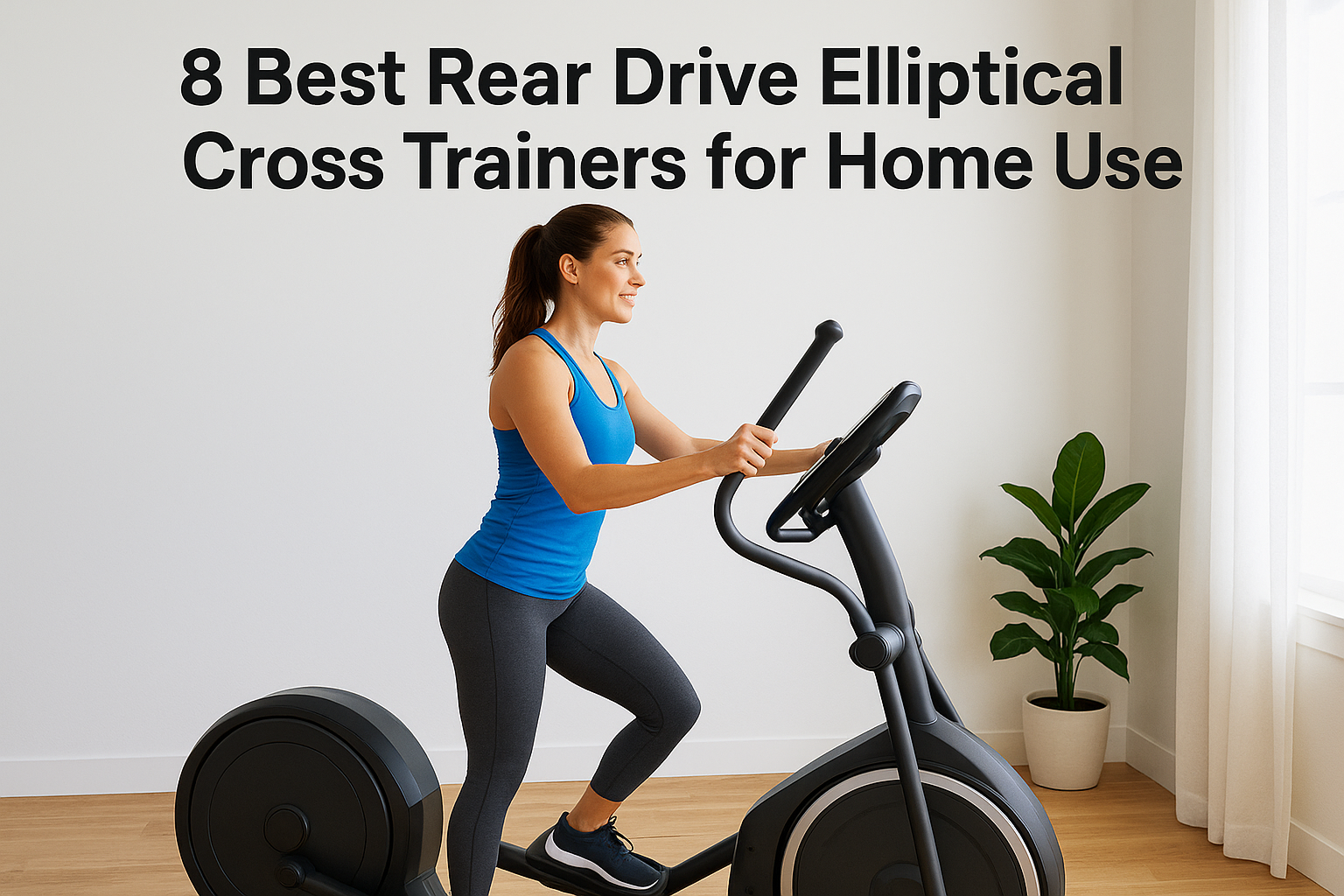
Shopping for a rear drive elliptical cross trainer means you already know front-drive models feel choppy and cramped compared to the smooth, natural stride you get when the flywheel sits behind you. That longer stride path is the whole point: it lets your hips and knees move the way they do when you walk or run outside, which matters if you’re logging serious miles at home instead of just fitting in a quick workout.
This list answers the question you’re actually asking: which rear drive ellipticals are worth your money right now, and how do they stack up against the front-drive machines crowding most big-box stores. We break down stride length, flywheel weight, resistance range, and build quality on each model so you can see exactly where the value is and where you’d be overpaying for a logo.
Below you’ll find eight machines worth considering, from budget-conscious options to commercial-grade builds like our own Elite EM X, which we include alongside honest competitors because you deserve a real comparison, not a sales pitch. Read through the specs, then decide what fits your space, budget, and joints best.
1. 3G Cardio Elite EM X Elliptical Trainer
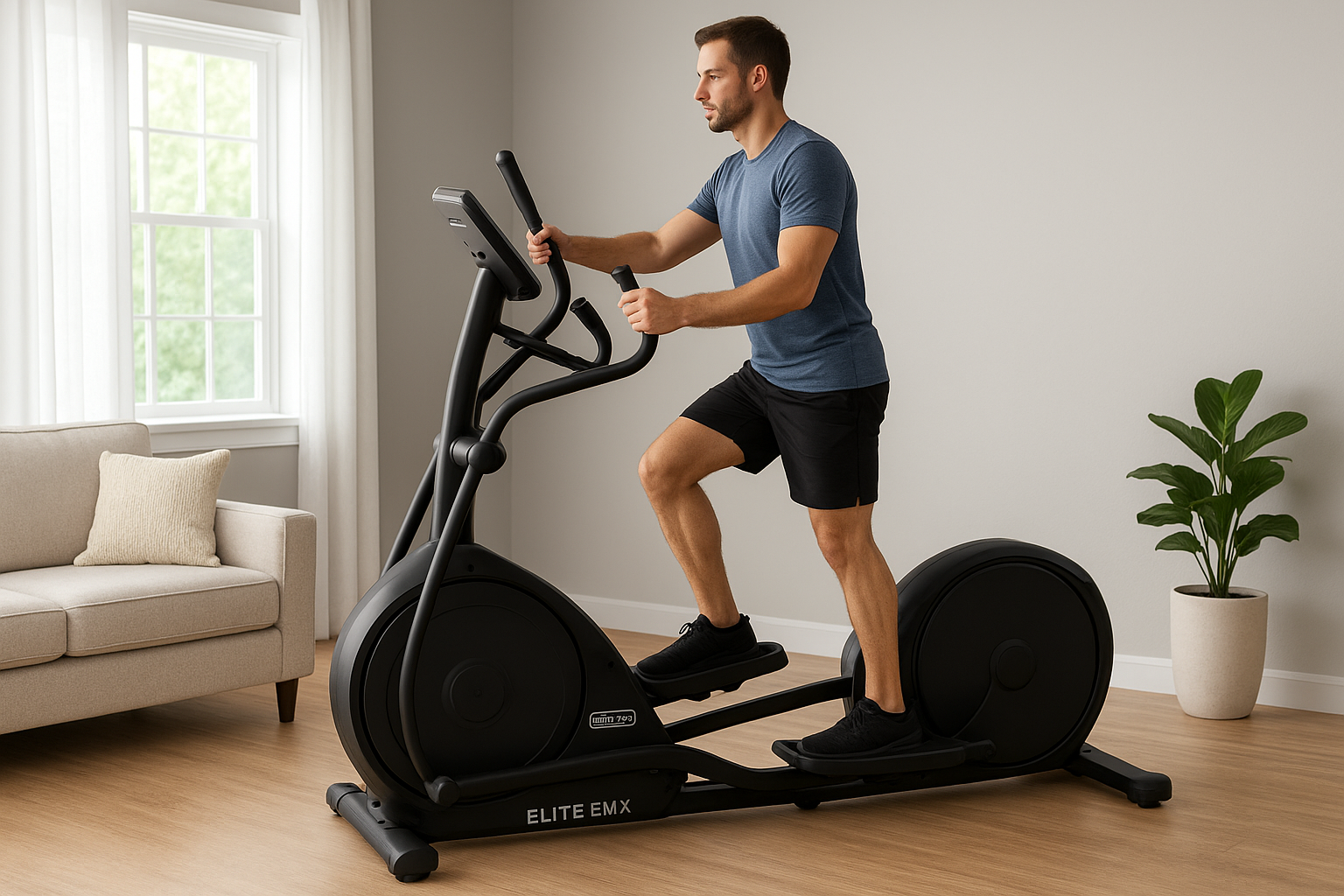
The Elite EM X is our own flagship elliptical, and we built it specifically to fix the complaints people have about flimsy home ellipticals: short strides, wobbly frames, and consoles that stop working the day the warranty expires. It’s a rear drive elliptical cross trainer with commercial-grade bones, designed for people who already know what a smooth stride feels like at the gym and refuse to settle for less at home.
Key features
The EM X gives you a 20-inch stride length, which is long enough for taller users to move naturally without feeling boxed in. A 26-pound flywheel keeps momentum steady through the whole rotation, so you don’t get that jerky feeling cheaper machines produce at low speeds. Other standout specs:
- 20 levels of electronic resistance controlled from the console
- FreeSync FTMS Bluetooth connectivity for pairing with Kinomap, Zwift, and other third-party apps
- Built-in heart rate monitoring plus a wireless chest strap included at no extra cost
- Tablet shelf and USB charging port for longer entertainment-driven sessions
- 400-pound weight capacity, well above the 250-300 pound range typical of budget models
Who it’s for
This machine suits serious home exercisers, taller users over 6 feet, and anyone recovering from joint issues who needs a low-impact cardio option that still delivers a real workout. It’s also a smart pick for households with multiple users of different heights, since the long stride and adjustable resistance accommodate a wide range of bodies without forcing anyone into an awkward gait.
Price
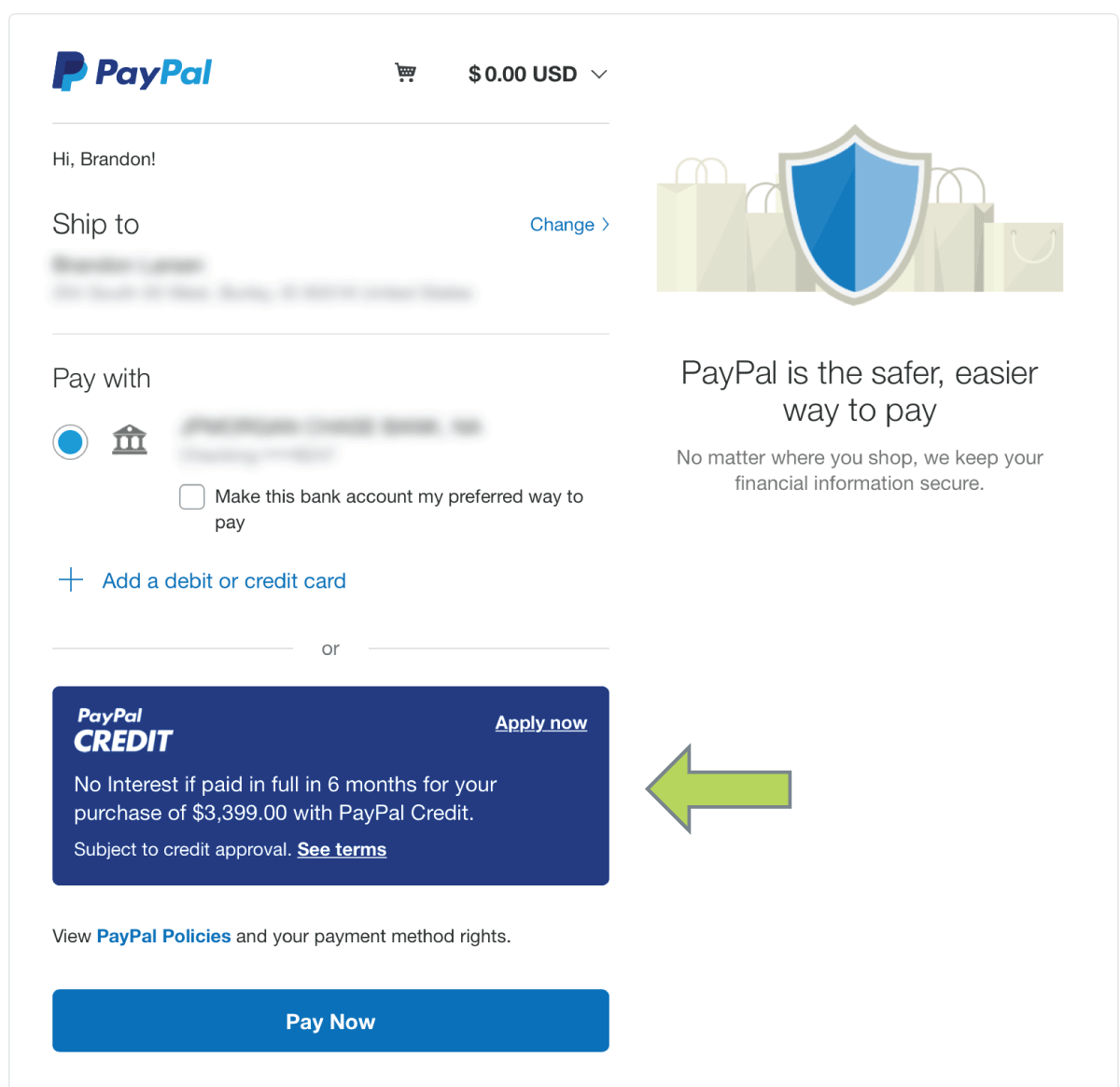
The Elite EM X runs in the mid-to-upper range of home elliptical pricing, generally between $2,999 and $3,499 depending on current promotions. That price includes free curbside delivery, a lifetime frame warranty, 7-year parts coverage, and 1-year labor, along with financing options like 6 months 0% through PayPal Credit for buyers who want to spread out the cost.
Pros and cons
Pros: commercial-grade construction, long stride length, no subscription fees required for app connectivity, strong warranty backed by direct manufacturer support.
Cons: higher upfront cost than entry-level ellipticals, and the larger footprint needs more floor space than compact folding models.
A longer stride and heavier flywheel matter more to your knees and your workout consistency than any touchscreen ever will.
2. Sunny Health & Fitness SF-E3912 Elliptical
Sunny Health & Fitness built a name selling budget cardio gear online, and the SF-E3912 is their answer to shoppers who want a rear drive elliptical without paying commercial-machine prices. It’s a compact unit aimed at apartments and smaller home gyms, trading some stride length and flywheel weight for a lower price tag and a smaller footprint.
Key features
The SF-E3912 offers a 15-inch stride, noticeably shorter than the EM X, which fits smaller frames better than tall users. Other specs include:
- 16-pound flywheel with 8 levels of magnetic resistance
- LCD console tracking time, distance, calories, and pulse via hand-grip sensors
- Transport wheels for easy repositioning
- 220-pound weight capacity
Who it’s for
This machine suits casual home exercisers on a tight budget, shorter users under 5’8", and anyone who wants a basic cardio option without dedicating a whole room to it. It’s not built for daily high-intensity training, but it handles light-to-moderate walking sessions reasonably well.
Price
Expect to pay between $300 and $400, making it one of the cheapest rear drive options on the market. There’s no financing plan or extended parts warranty comparable to what commercial-focused brands offer.
A shorter stride and lighter flywheel mean a bumpier ride, so budget ellipticals ask you to trade smoothness for savings.
Pros and cons
Pros: low price, lightweight and portable, simple assembly.
Cons: short stride limits taller users, hand-grip heart rate readings are unreliable, weight capacity excludes larger users.
3. Niceday Elliptical Machine
Niceday sells directly through online marketplaces and built its reputation on compact, budget-friendly cardio machines that still claim rear drive smoothness. This model targets shoppers who want a rear drive cross trainer without committing to a large frame or a big price tag, and it competes directly with Sunny Health & Fitness on price rather than performance.
Key features
Overall build quality leans light-duty, with plastic components in places competitors use steel. Specs include:
- 13-inch stride length, among the shortest in this roundup
- 16-pound flywheel with 8 magnetic resistance levels
- LCD monitor tracking basic workout metrics
- Compact folding design for storage under a bed or in a closet
- 260-pound weight capacity
Who it’s for
Owners with limited space, first-time elliptical buyers testing the waters, and anyone under 5’6" who won’t feel cramped by the short stride will get the most from this machine. Taller users or anyone training for distance running should look elsewhere, since the stride length caps your natural range of motion.
A 13-inch stride works fine for light walking, but it can’t replicate the running motion serious cardio training demands.
Price
Pricing typically falls between $250 and $350, positioning it as one of the most affordable rear drive options available. There’s no manufacturer financing, and warranty coverage is minimal compared to established fitness brands.
Pros and cons
Pros: low cost, easy to fold and store, simple setup for beginners.
Cons: short stride limits workout intensity, plastic parts raise durability concerns, limited customer support compared to established brands.
4. ProForm Hybrid Trainer XT
ProForm markets the Hybrid Trainer XT as a 2-in-1 machine, blending elliptical and recumbent bike movement into one frame with an adjustable stride. It’s built for shoppers who can’t decide between two machines and want flexibility instead of committing to a single motion pattern for every workout.
Key features
Swapping between elliptical and bike mode takes seconds, and the stride adjusts from 0 to 18 inches to fit different exercises. Other specs include:
- 10-inch HD touchscreen requiring an iFit subscription for full functionality
- 24 digital resistance levels
- Silent magnetic drive system
- SpaceSaver folding design for storage
Who it’s for
Households wanting variety in one footprint, iFit subscribers already invested in the ecosystem, and users who split time between seated and standing cardio all fit this machine well. Buyers who refuse ongoing subscription costs should think twice, since core console features lean heavily on iFit access.
Price
Typical pricing runs from $1,799 to $2,199, plus the monthly iFit fee if you want guided workouts and full console functionality. Financing is available directly through ProForm’s site, though warranty coverage is shorter than what commercial-focused brands include.
Paying for the hardware is only half the cost when the console locks core features behind a monthly subscription.
Pros and cons
Pros: dual workout modes, adjustable stride range, touchscreen entertainment options.
Cons: iFit subscription needed for most features, shorter warranty, moving parts add long-term maintenance risk.
5. Exerpeutic Heavy Duty Magnetic Elliptical
Exerpeutic built its reputation on heavy-duty cardio equipment designed for bigger bodies, and this elliptical carries that same reinforced-frame philosophy into a rear drive design. It targets shoppers who’ve been turned away by standard weight limits on other budget machines, offering sturdier construction without jumping into commercial-grade pricing.
Key features
The frame steel gauge is noticeably thicker than what you find on the Sunny or Niceday models, which shows up immediately in how stable the machine feels mid-stride. Other specs worth noting:
- 18-inch stride length, longer than most machines in this price bracket
- 20-pound flywheel with 8 magnetic resistance levels
- Extra-wide, non-slip pedals sized for larger feet
- 400-pound weight capacity, matching commercial-grade competitors
- Large LCD console tracking speed, distance, calories, and pulse
Who it’s for
Larger or taller users who’ve struggled to find a home elliptical rated for their weight will find real value here. It also suits budget-conscious buyers who want a longer stride than typical entry-level machines without paying commercial prices for it.
A high weight capacity means nothing if the frame flexes under load, so reinforced steel matters more than the number on the spec sheet.
Price
Expect to pay between $500 and $650, positioning it above the cheapest options but well under mid-range brands. No financing plans or extended parts warranties come standard.
Pros and cons
Pros: high weight capacity, longer stride than similarly priced machines, reinforced frame.
Cons: limited resistance range, no app connectivity, basic console feels dated next to smart consoles.
6. NordicTrack SpaceSaver SE9i
NordicTrack built the SpaceSaver SE9i for shoppers who want a rear drive elliptical machine with real technology but can’t dedicate a permanent workout room to it. The frame folds upright and rolls away, which makes it a favorite among apartment dwellers who still want iFit-powered training sessions instead of a bare-bones console.
Key features
Stride length lands at 20 inches, matching commercial-grade machines despite the compact folding frame. Other specs include:
- 25-pound flywheel with 26 digital resistance levels
- 7-inch HD touchscreen streaming iFit workouts and global route videos
- Automatic trainer control adjusting resistance and incline to match on-screen coaches
- SpaceSaver folding design cutting footprint by roughly half when stored
Who it’s for
Tech-focused buyers already paying for iFit, renters who need to reclaim floor space between sessions, and anyone who wants guided coaching rather than self-directed workouts will get the most value here. Households without reliable Wi-Fi or interest in subscription content should look at a simpler console instead.
Folding frames solve a space problem, but only if you’re willing to pay a subscription to unlock what the console can actually do.
Price
Retail pricing typically runs from $1,599 to $1,999, and that price doesn’t include the iFit membership needed for most workout programming. Financing options exist through NordicTrack’s site, though warranty terms run shorter than what commercial-focused manufacturers offer.
Pros and cons
Pros: long stride for a folding machine, strong touchscreen coaching library, space-saving frame.
Cons: iFit subscription required for full value, folding mechanism adds moving parts, shorter warranty than commercial brands.
7. Life Fitness E5 Cross-Trainer
Life Fitness built its reputation supplying gyms and hotels, and the E5 brings that commercial pedigree into a rear drive elliptical cross trainer sized for home use. You’re paying for a brand that engineers have stress-tested for thousands of hours a year in commercial settings, not a company that entered the fitness space chasing online sales trends.
Key features
Engineering shows up in the details here rather than flashy marketing claims. Notable specs include:
- 20-inch stride length matching true commercial machines
- Whisper-quiet rear drive system with smooth magnetic resistance
- Simple LCD console with quick-start workout programs
- Adjustable pedals that reduce hip and knee strain
- Frame rated for heavy daily use, not just occasional sessions
Who it’s for
Homeowners who’ve used Life Fitness equipment at a gym and want that same feel at home will appreciate this machine most. Buyers chasing touchscreens and streaming coaches should look elsewhere, since Life Fitness prioritizes mechanical durability over digital extras.
Commercial-grade engineering earns its price tag through fewer breakdowns, not through screens or subscriptions.
Price
Expect pricing between $2,999 and $3,999 depending on retailer and current promotions. Life Fitness backs the E5 with solid parts coverage, though residential buyers should confirm labor terms before purchasing, since commercial brands sometimes structure warranties around gym use rather than home ownership.
Pros and cons
Pros: commercial-grade durability, long stride length, proven brand reputation, quiet operation.
Cons: premium price, basic console lacks app connectivity, fewer direct-to-consumer support options than manufacturers built specifically for home buyers.
8. YOUNGFIT Foldable Elliptical Machine
YOUNGFIT sells direct-to-consumer online, and this foldable elliptical machine targets shoppers who want rear drive smoothness in the smallest possible footprint. It’s built for apartments, home offices, and anyone squeezing a workout station into a corner rather than a dedicated fitness room.
Key features
The frame folds flat in under a minute, which sets it apart from bulkier folding models that still take real effort to store. Specs include:
- 14-inch stride length, suited to shorter frames rather than tall runners
- 14-pound flywheel with 8 magnetic resistance levels
- Compact LCD console tracking time, speed, distance, and calories
- Built-in transport wheels for moving between rooms
- 220-pound weight capacity
Who it’s for
Small-space dwellers, beginners easing into cardio, and shoppers under 5’7" who don’t need a long stride will find this machine practical. Anyone training seriously for distance or looking for a heavy-duty build should skip it, since the light flywheel and short stride cap how intense your sessions can get.
Folding convenience always comes with a tradeoff, and here it’s stride length and flywheel weight, not just price.
Price
YOUNGFIT typically prices this model between $280 and $380, keeping it competitive with Sunny Health & Fitness and Niceday. There’s no manufacturer financing plan, and warranty coverage is limited to a standard one-year policy on parts.
Pros and cons
Pros: fast folding mechanism, low price, easy to relocate, simple assembly.
Cons: short stride limits taller users, light flywheel feels less stable at higher speeds, weight capacity excludes larger users.
9. Rear drive vs front drive ellipticals: what’s the difference
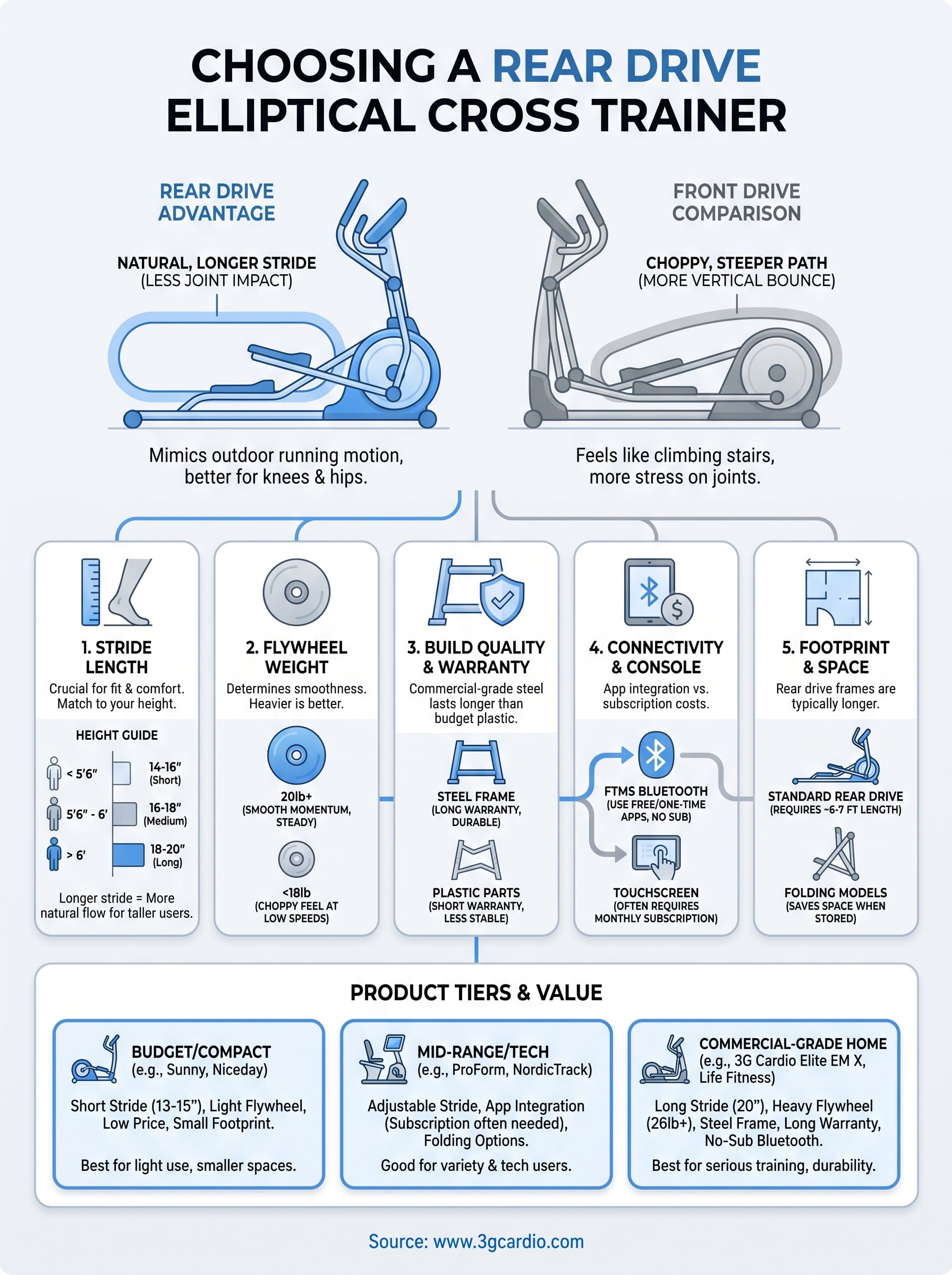
Position matters more than most shoppers realize. A rear drive elliptical cross trainer places the flywheel behind you, which stretches the stride path into a longer, flatter ellipse that mimics a natural running or walking motion. Front-drive machines put the flywheel up front, forcing a shorter, steeper stride that feels more like climbing stairs than jogging outside. That difference shows up fastest in your knees: a flatter stride means less vertical bounce and less joint stress over a 30-minute session.
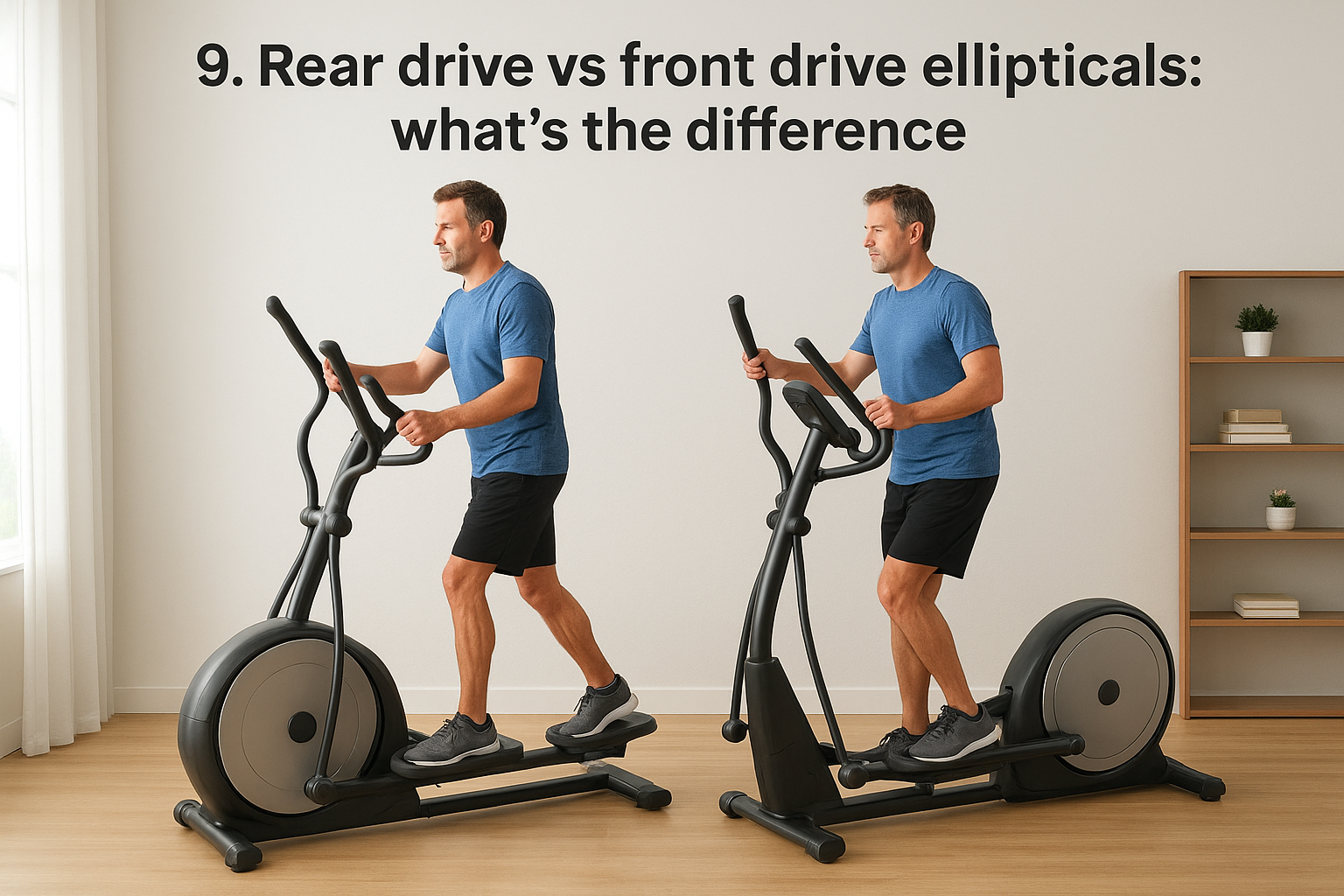
Budgets also diverge along this line. Front-drive designs cost less to manufacture, so most sub-$300 ellipticals use that layout, while rear-drive machines tend to start higher because the longer frame and heavier flywheel require more steel and engineering.
The flywheel’s position decides whether your stride feels like running or like climbing a ladder.
| Feature | Rear Drive | Front Drive |
|---|---|---|
| Stride feel | Longer, flatter, more natural | Shorter, steeper motion |
| Typical stride length | 18-20 inches | 12-16 inches |
| Noise level | Quieter, smoother rotation | Louder at higher resistance |
| Price range | Mid to high | Budget-friendly |
| Footprint | Longer frame | More compact |
Understanding this split explains why two ellipticals at similar prices can feel completely different underfoot, and why serious home exercisers keep gravitating toward rear drive designs despite the higher entry cost.
10. How to choose the right rear drive elliptical for your home
Start with your own body before you start comparing brands. A stride length that fits your height matters more than any console feature, so use this rough guide before you shop:
| Your height | Recommended stride length |
|---|---|
| Under 5’6" | 14-16 inches |
| 5’6" to 6′ | 16-18 inches |
| Over 6′ | 18-20 inches |
Measuring your available floor space comes next, since rear drive frames run longer than front drive models. Give yourself at least 6 feet of length and 3 feet of width, plus clearance behind the machine so you’re not bumping a wall mid-stride.
Next, weigh flywheel weight against your workout intensity. Anything under 18 pounds feels choppy once you push past a light walking pace, while 20 pounds or more keeps momentum smooth through faster intervals.
A machine that fits your stride and your room beats one that just fits your budget.
Think honestly about app connectivity, too. If you already pay for a fitness app subscription like iFit, a touchscreen console adds real value. If you don’t want another monthly bill, prioritize machines with Bluetooth or FTMS connectivity that work with free or one-time-purchase apps instead.
Finally, check the warranty terms before comparing sticker prices. A lower price tag on a machine with a one-year warranty often costs more over five years than a pricier machine backed by a lifetime frame guarantee and real parts coverage.
11. Rear drive elliptical FAQs
Questions about rear drive ellipticals tend to repeat across shoppers, so here are straight answers to the ones that come up most in customer emails and reviews.
Are rear drive ellipticals better for your knees?
Generally yes. The longer, flatter stride reduces vertical bounce compared to front-drive machines, which lowers repetitive impact on your knees and hips over time. That said, proper stride length for your height matters just as much as drive position, so don’t assume any rear drive machine automatically protects your joints.
Do rear drive ellipticals take up more space?
Usually, since the flywheel sits behind the pedals and stretches the frame length. Expect 6 to 7 feet of floor space for most rear drive models, versus 5 to 6 feet for compact front-drive units. Folding designs like the NordicTrack SpaceSaver SE9i close that gap somewhat.
Space concerns shouldn’t push you toward a shorter stride than your body actually needs.
How long should a rear drive elliptical last?
A commercial-grade rear drive elliptical cross trainer with a steel frame and heavy flywheel should run reliably for 10 or more years of home use. Budget models with plastic components and light flywheels often show wear within 2 to 3 years of regular sessions.
Do I need a subscription to use one?
No, not always. Machines with FTMS Bluetooth connectivity work with free or one-time-purchase apps, while touchscreen consoles from brands like NordicTrack and ProForm often require an iFit membership for full functionality.
Finding your best fit
Every elliptical on this list solves a different problem, and that’s the real takeaway here. Budget picks like the Niceday and YOUNGFIT work fine for light walking in a small apartment, while machines with a genuine 20-inch stride and a heavy flywheel reward you with a smoother, more natural motion mile after mile. The tradeoffs come down to stride length, build quality, and whether you’re willing to pay a monthly fee for console features that Bluetooth connectivity gives you for free.
Once you know your height, your available floor space, and your tolerance for subscription costs, narrowing this list gets easy. If you want commercial-grade construction, a long adjustable stride, and FreeSync FTMS connectivity without recurring charges, take a closer look at the 3G Cardio Elite EM X Elliptical Trainer and see how it compares against whatever’s currently sitting in your cart.

Sorry, the comment form is closed at this time.