

19 Sep 8 Home Treadmills with Incline Worth Buying in 2026
Walking on a flat belt gets boring fast, and it barely touches the muscles and calories a real hill climb does. That’s why so many shoppers searching for a home treadmill with incline end up overwhelmed by spec sheets that all sound the same: 10% incline here, 15% there, auto-incline on this one, manual on that one. It’s hard to know which numbers actually matter once the machine is sitting in your living room.
This guide cuts through that noise. We’ve pulled together eight treadmills that handle incline training well, from motorized auto-incline decks that adjust mid-workout to sturdier, budget-friendly options built for daily walking and light jogging. Each pick is evaluated on incline range, belt size, motor durability, and how it holds up under regular home use, not just showroom specs.
Whether you want a foldable option for a small apartment or a heavier-duty machine for serious hill training, you’ll find a model here that fits your space, budget, and fitness goals. We’ll also flag what separates a treadmill that lasts years from one that starts rattling after a few months, so you can buy with confidence instead of guessing.
1. 3G Cardio Elite Runner X: best value, no subscription
The 3G Cardio Elite Runner X treadmill, with its 22-inch Ortho Flex Shock deck and 15% incline, is the treadmill we recommend most often when someone wants a serious home treadmill with incline without getting locked into a monthly app fee. It’s built by an Arizona manufacturer that sells commercial gym equipment directly to consumers, so you’re getting the same frame and motor quality found in small studios and physical therapy clinics, just priced for a home gym instead of a corporate fitness budget.
Incline and decline range
The Elite Runner X offers a motorized incline range of 0-15%, adjusted in single-percentage increments with the touch of a button, which covers everything from a gentle warm-up grade to a genuinely tough hill-repeat session. There’s no powered decline on this model, which is typical for treadmills in this price bracket, but the incline range alone is wide enough to satisfy walkers building bone density and runners training for hilly races.
Key features
What sets this machine apart is the FreeSync FTMS Bluetooth console, which pairs directly with apps like Zwift, Kinomap, and Peloton’s app without requiring a proprietary subscription. 3G Cardio calls this its "Bring Your Own Screen" approach: you supply the tablet, the treadmill supplies the data.
A treadmill shouldn’t charge you rent to use the incline you already paid for.
Other standout specs on the Elite Runner X include:
- 22-inch by 60-inch running surface, generous enough for taller runners
- Commercial-grade AC motor rated for daily heavy use, not just occasional walks
- Wireless heart rate strap included, plus a tablet shelf and USB charging port
- Simple LCD console instead of a bulky, expensive touchscreen you’re forced to pay for
Who it’s best for
This is the right pick for anyone shopping for a home gym treadmill with incline who’s already annoyed at how many machines now bundle in $40-a-month subscriptions just to unlock incline programs or coaching content, which is why no 3G Cardio machine hides features behind a monthly membership. It also suits serious runners logging real daily mileage at home who need a wide belt and a motor that won’t strain after a year of five-mile daily runs. If you split time between walking workouts and structured hill training, the 15% top incline gives you real room to progress without needing a second machine later.
Price and warranty
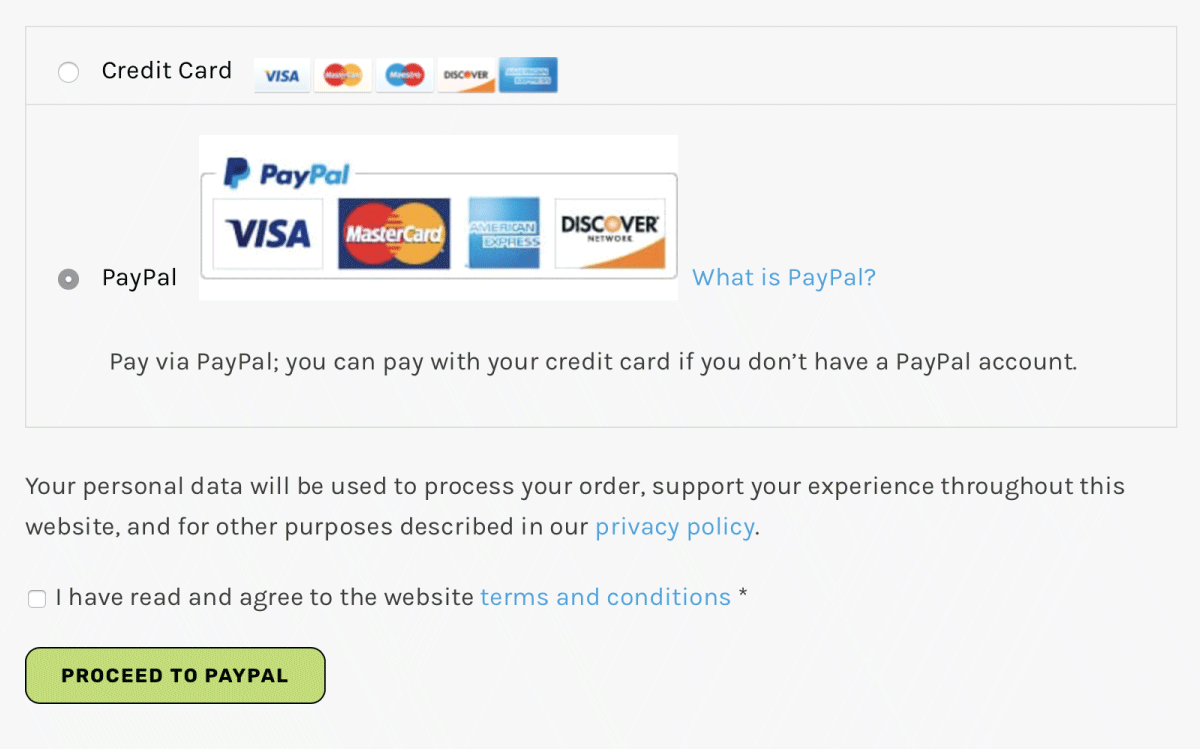
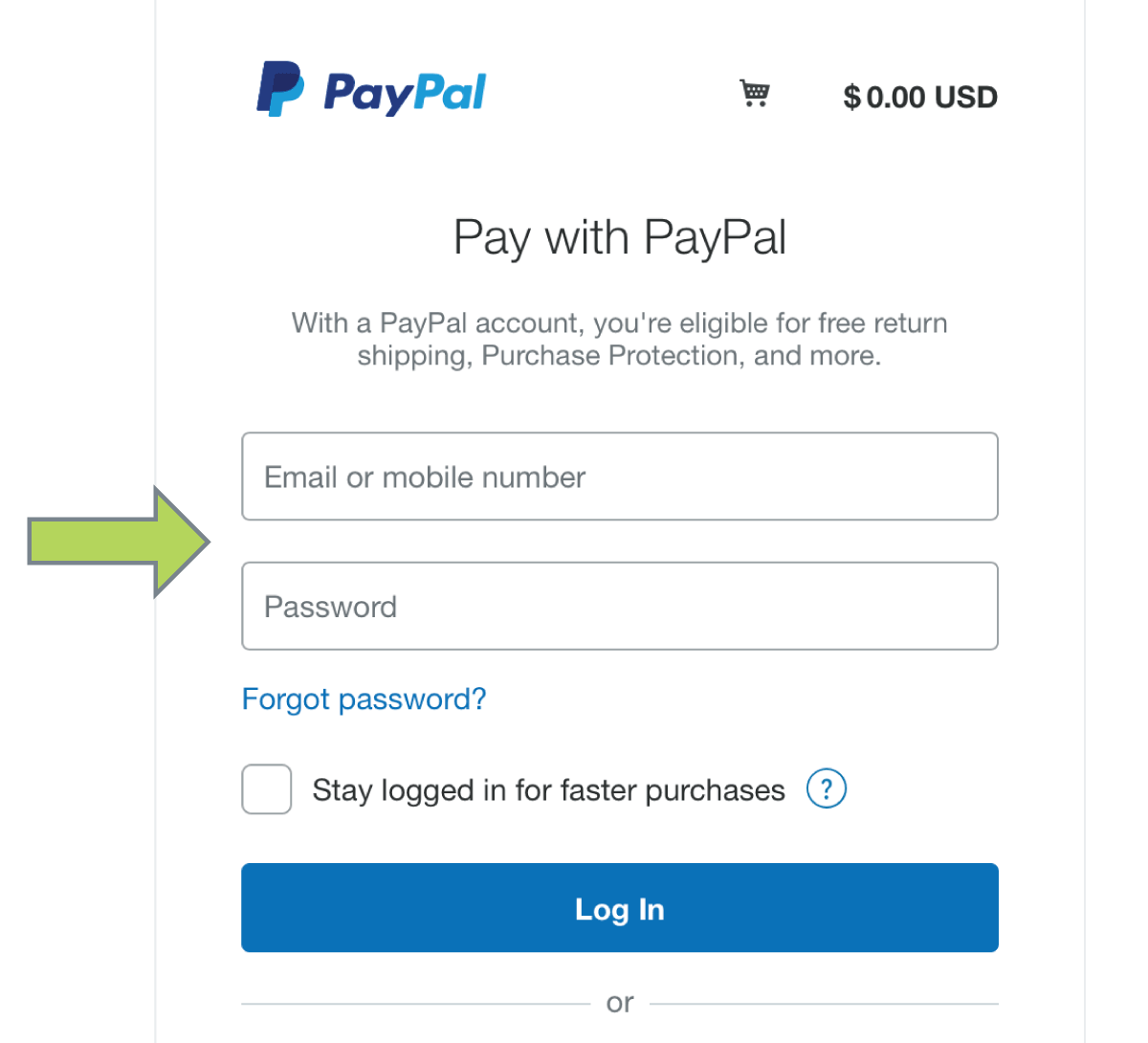
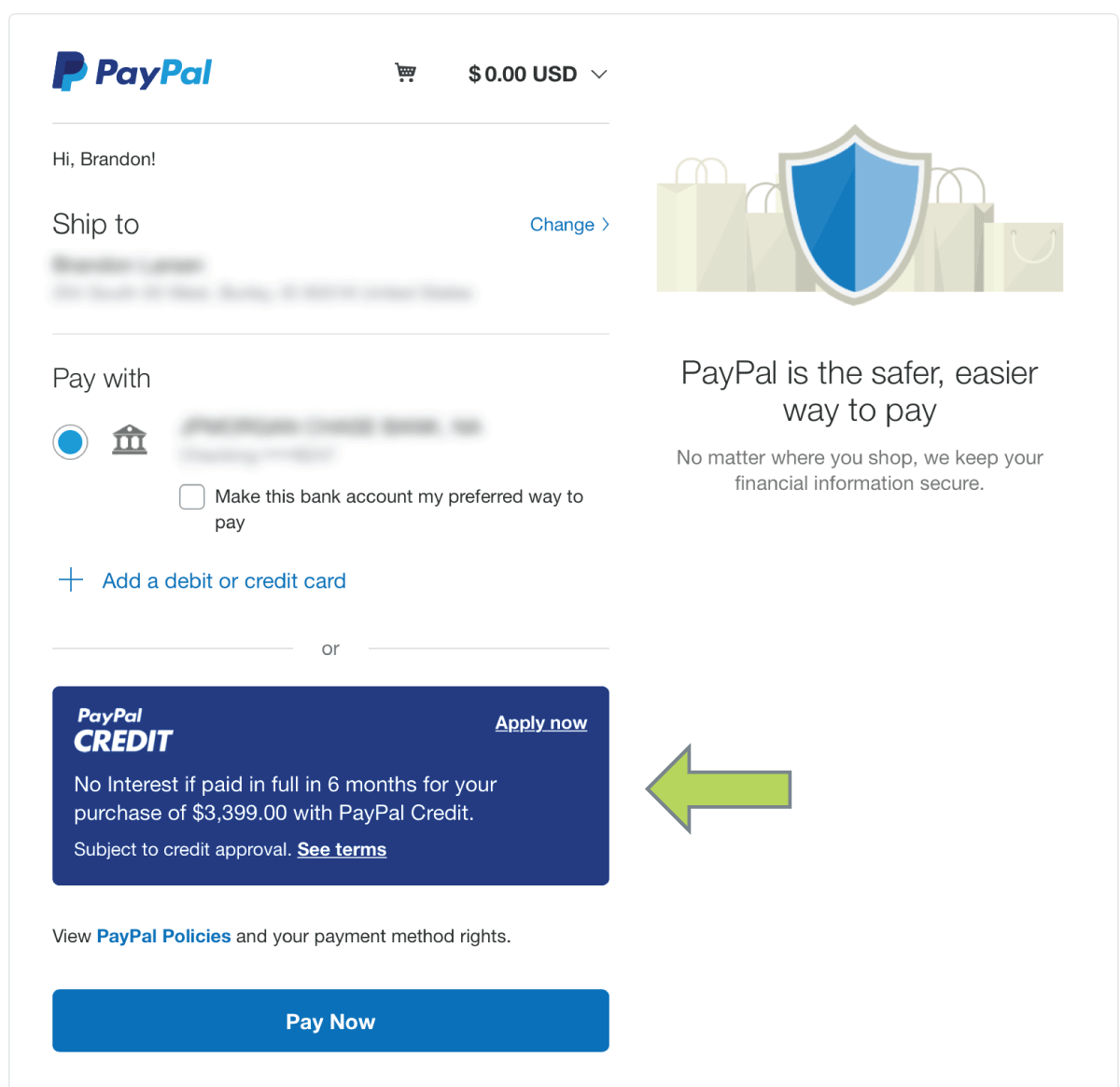
The Elite Runner X sits in the mid-to-upper range of 3G Cardio’s lineup, generally priced between $3,299 and $3,699 depending on current promotions, with 6 months 0% financing available through PayPal Credit for buyers who want to spread out the cost. Every unit ships with a residential warranty covering a lifetime frame, 7 years on parts, and 1 year of labor, along with 3G Cardio’s price-match guarantee within 6 months of purchase. Commercial buyers can get a separate commercial-use warranty, which matters if you’re outfitting a small studio rather than a spare bedroom. Delivery options include free curbside drop-off or a White Glove service that gets the treadmill fully assembled and running before the delivery crew leaves.
| Spec | Detail |
|---|---|
| Incline range | 0-15% motorized |
| Decline | None |
| Belt size | 22" x 60" |
| Motor | Commercial-grade AC |
| Connectivity | FreeSync FTMS Bluetooth |
| Warranty | Lifetime frame, 7-yr parts, 1-yr labor |
| Price | ~$3,299-$3,699 |
2. NordicTrack Commercial 1750: best auto-incline treadmill
If you want a machine that adjusts grade for you mid-run without touching a button, the NordicTrack Commercial 1750 has built its reputation on exactly that. It’s the treadmill people picture when they search for an auto-incline treadmill, thanks to a motor that ramps the deck up and down automatically during iFit-guided workouts filmed on real trails.
Incline and decline range
The Commercial 1750 covers a wide -3% to 15% incline and decline range, which is rare at this price point and useful if you’re training for a race with downhill sections or just want the added quad work that negative grades provide. Adjustments happen automatically during iFit trainer-led sessions, so the deck tilts to match the terrain on screen without you lifting a finger.
Auto-incline only pays off if you’re willing to keep paying for the content that drives it.
Key features
The standout here is the 10-inch HD touchscreen, which streams iFit’s library of outdoor running routes filmed around the world, plus studio classes led by real coaches. Beyond the screen, the deck uses NordicTrack’s FlexSelect cushioning, adjustable between a softer setting for joint-friendly walks and a firmer setting that mimics road running. A 3.5 CHP motor and 22-inch by 60-inch belt round out the spec sheet, matching what you’d expect from a treadmill for home gym with incline training.
Who it’s best for
This model suits buyers who want guided coaching and don’t mind paying a recurring fee to get it. If you thrive on structured programming and enjoy the motivation of a trainer talking you through a incline climb, the auto-adjust feature genuinely changes how a workout feels compared to manually pressing incline buttons every thirty seconds.
Price and warranty
Expect to pay around $1,999 for the treadmill itself, plus a required iFit membership (roughly $39/month) to unlock the auto-incline and most on-screen content. NordicTrack backs it with a 10-year frame warranty, 2 years on parts, and 1 year of labor, shorter coverage than you’ll find on commercial-grade machines that skip the subscription model entirely.
3. Sole F80: best cushioned deck for sore joints
For walkers and joggers who feel every step in their knees or hips, the Sole F80 is the treadmill worth a hard look. Sole built its reputation on cushioning systems rather than screens, and the F80 carries a Cushion Flex Whisper Deck that absorbs impact at the front of the belt while staying firmer toward the back, closer to how your foot actually strikes and pushes off.
Incline and decline range
Grade adjustment on the F80 runs 0-15% motorized incline, controlled with quick-touch buttons on the console rather than a dial, so you can bump the grade up mid-walk without breaking stride. There’s no decline function, which keeps the mechanics simpler and, in our experience, contributes to fewer service calls over the years compared to treadmills juggling both incline and decline motors.
A cushioned deck matters more than a flashy screen if your joints are what’s holding you back from consistent workouts.
Key features
Beyond the deck cushioning, the F80 packs a 22-inch by 60-inch running surface, a 4.0 CHP motor rated for daily use, and a simple backlit LCD console that skips touchscreen bloat. Other notable specs include:
- Bluetooth speakers built into the console for phone audio
- Cooling fan aimed at the runner, a small but appreciated detail on longer sessions
- Folding deck with a hydraulic assist, so it lifts and lowers without slamming
Who it’s best for
This machine suits anyone searching for a home walking treadmill with incline who has dealt with knee, hip, or back pain that treadmill walking can help ease during workouts on harder decks. It also works well for households sharing the machine across different fitness levels, since the cushioning adjusts comfortably whether you’re power-walking at a 12% grade or jogging at a flat pace. If a quiet motor and a joint-friendly landing matter more to you than app integration, the F80 delivers on that priority.
Price and warranty
Sole typically prices the F80 around $2,299, occasionally dropping during sales events. The warranty runs lifetime on the frame and motor, 5 years on parts and electronics, and 2 years on labor, solid coverage for a treadmill in this price range and a meaningful step up from what most competitors offer at similar cost.
4. Horizon 7.0 AT: fastest incline adjustments
Speed of adjustment matters more than most shoppers expect, and the Horizon 7.0 AT is built around exactly that. Horizon designed this deck to shift grade quickly during interval work, so when a workout calls for a jump from flat to a steep climb, you’re not standing there waiting five seconds for the motor to catch up. That responsiveness makes it a strong pick for anyone comparing a treadmill with incline for home use who actually plans to run structured intervals rather than just walk at a steady pace.
Incline and decline range
The 7.0 AT offers a 0-15% motorized incline paired with a rare feature at this price: a -3% decline setting, giving you six total grade positions below flat. Adjustments happen in quick, discrete steps rather than a slow continuous ramp, which is what earns this model its reputation for the fastest incline response in its class.
Fast incline transitions turn interval training into a real workout instead of a waiting game.
Key features
Horizon builds the 7.0 AT around a Feel Fit cushioning system that softens impact without feeling mushy underfoot, plus a 3.0 CHP motor and a 60-inch by 20-inch belt, slightly narrower than some competitors but still comfortable for most runners. Other notable specs include:
- Bluetooth connectivity for heart rate straps and third-party apps
- Folding deck with hydraulic assist for easier storage
- Simple button-based console instead of a paid touchscreen ecosystem
Who it’s best for
Runners and walkers who train with interval routines you can run at home on a treadmill get the most out of this machine, since the quick incline shifts make hill-repeat workouts and HIIT sessions far less clunky than on treadmills with slower motors. It also suits anyone shopping for an in home treadmill with incline who wants both incline and a bit of decline without paying for a full auto-incline subscription system.
Price and warranty
Horizon prices the 7.0 AT around $1,599, making it one of the more affordable options here with a true decline feature included. The warranty covers a lifetime frame and motor, 10 years on parts, and 1 year of labor, respectable coverage for the price point, though it falls short of the parts and labor terms offered on higher-tier commercial-style machines.
5. Bowflex Treadmill 22: highest incline, folds up
Space-strapped buyers who still want serious hill work, and who have already weighed cardio machines sized for a spare bedroom or apartment, should look at the Bowflex Treadmill 22, a folding treadmill that pushes incline higher than almost anything else built to fold flat against a wall. Bowflex packed a 22-inch touchscreen and a steep-climbing deck into a frame that still tucks away when you’re done, which is a rare combination in this category.
Incline and decline range
The Treadmill 22 climbs to a 0-20% motorized incline, one of the highest ranges available on a folding home treadmill, though it skips decline entirely. That extra five percentage points over most competitors on this list translates into a noticeably harder climb at the top end, useful for anyone training for steep trail races or just wanting a tougher calorie burn without adding speed.
More incline range means you can keep progressing years after a flatter treadmill would leave you stuck.
Key features
Bowflex built the console around JRNY, an adaptive coaching program that adjusts incline and speed automatically based on your performance history, similar in spirit to how NordicTrack’s iFit operates. Other notable specs include:
- 22-inch rotating HD touchscreen that swivels for off-treadmill workouts like strength or yoga
- SoftDrop folding mechanism that lowers the deck slowly and quietly
- Bluetooth heart rate strap compatibility and speed/incline controls built into the handlebars
Who it’s best for
Anyone hunting for a foldable home treadmill with incline that still delivers commercial-level grade will find this the strongest option here for maximizing incline in a small footprint, though it’s worth seeing how folding treadmills that still climb steep grades compare overall. It also suits buyers who like adaptive coaching apps and don’t mind a subscription in exchange for a program that adjusts intensity for them automatically, rather than manually chasing a training plan.
Price and warranty
Bowflex prices the Treadmill 22 around $2,999, with JRNY membership running roughly $19.99 a month for full access to guided workouts and stats tracking. The warranty covers a lifetime frame, 5 years on the motor, 2 years on parts, and 1 year of labor, solid mid-tier coverage that lands between budget machines and full commercial-grade builds.
6. NordicTrack X24: best for extreme incline training
When a customer tells us they want the steepest climb money can buy, we point them toward the NordicTrack X24. This is the treadmill for people who’ve outgrown a standard 15% grade and want a machine that mimics actual mountain trails, not just a slight ramp under the front rollers.
Incline and decline range
The X24 pushes to a -6% to 40% incline and decline range, by far the widest grade span on this list and one of the widest sold for home use anywhere. That 40% top end isn’t a typo, and it’s steep enough that most walkers will need to hold the rails during peak climbs. The -6% decline also gives your quads a real workout that flat treadmills never touch.
Forty percent incline turns a treadmill into an actual mountain, not a suggestion of one.
Key features
A 24-inch rotating HD touchscreen anchors the console, running iFit’s trail-run library filmed on real mountain paths that auto-adjust incline to match the footage. Other notable specs include:
- 3.9 CHP motor built to handle steep, sustained climbs without straining
- 22-inch by 60-inch belt with NordicTrack’s reflex cushioning
- Adjustable fan and speakers built into the console frame
- Compatible with iFit’s Bluetooth heart rate straps and third-party sensors
Who it’s best for
This machine suits serious hikers and trail runners training for elevation-heavy races, along with anyone chasing a best home treadmill for walking with incline at the extreme end of the spectrum rather than a casual stroll. It’s overkill for someone who just wants a light daily walk, but for hill-repeat athletes or people rehabbing endurance after altitude training, nothing else on this list comes close to matching real terrain this closely.
Price and warranty
The X24 runs around $2,999, and an iFit membership near $39 a month is required to unlock the auto-incline trail content that makes the machine worth its price. NordicTrack backs it with a 10-year frame warranty, 2 years on parts, and 1 year of labor, coverage that’s fine but noticeably shorter than what you’d get from a manufacturer that skips the subscription model entirely.
7. Sole F63: best foldable treadmill for walkers
Folding treadmills often skimp on motor strength to save space, but the Sole F63, like 3G Cardio’s space-saving Pro Runner X with a 3.0 HP motor and 15 incline levels, avoids that trade-off. It’s the smaller sibling to the F80 covered earlier, built for buyers who want the same cushioned-deck philosophy in a lighter, more affordable package that still folds up for storage between sessions.
Incline and decline range
Grade adjustment tops out at a 0-15% motorized incline, controlled through simple quick-touch buttons on the console rather than a slower dial system. There’s no decline function here, which keeps the mechanics straightforward and, based on what we hear from owners, contributes to fewer breakdowns over years of daily walking. For a home walking treadmill with incline that doesn’t need decline for rehab or race training, 15% covers nearly every walking workout you’d want to program.
A treadmill that folds away without sacrificing incline range is the easiest sell for a small home gym.
Key features
Sole carried over its Cushion Flex Whisper Deck from the F80, so impact absorption stays strong even though the F63 costs several hundred dollars less. Other notable specs include:
- 20-inch by 60-inch belt, slightly narrower than the F80 but still comfortable for most walkers and light joggers
- 3.0 CHP motor rated for daily residential use
- Bluetooth speakers and a simple LCD console that skips touchscreen bloat
- Folding deck with hydraulic assist that lifts and lowers without slamming
Who it’s best for
Walkers and light joggers weighing foldable treadmills that store away in a small home who want Sole’s cushioning reputation without paying F80 prices land squarely in this model’s target market. It also suits households with limited square footage, since the F63 folds vertically and rolls on transport wheels for easy storage against a wall or in a closet. If you mainly power-walk at an incline rather than run, this machine handles that job well without unnecessary extras.
Price and warranty
Sole typically prices the F63 around $1,599, making it one of the more accessible options here that still includes a genuine cushioning system. The warranty covers a lifetime frame and motor, 3 years on parts and electronics, and 1 year on labor, coverage that’s respectable for the price but shorter than what the pricier F80 offers.
8. Horizon T101: best budget incline treadmill
Budget shouldn’t mean giving up incline entirely, and the Horizon T101 proves that point at under $700, one of several capable home treadmills priced below $1,000. It’s the entry point into Horizon’s lineup, built for buyers who want a reliable at home treadmill with incline for daily walks without spending thousands on a machine loaded with features they’ll never use.
Incline and decline range
Grade adjustment on the T101 tops out at a 0-10% manual-assist incline, adjusted with a button rather than a dial, so you still get real hill work without needing to step off the belt. There’s no decline function, which is standard at this price and keeps the mechanics simple enough to avoid frequent repairs.
A budget treadmill only earns its price if the incline motor still holds up after a year of daily use.
Key features
Horizon kept the T101 straightforward, pairing a 2.5 CHP motor with a 20-inch by 55-inch belt, smaller than the pricier machines on this list but adequate for walking and light jogging. Other notable specs include:
- Bluetooth speakers and a simple LCD console that displays speed, incline, time, and calories
- Cushioned deck that softens impact without the multi-zone systems found on Sole’s models
- Folding frame with a hydraulic assist for easier storage in tight spaces
- Compatible with the free Horizon Fitness app for basic workout tracking
Who it’s best for
Shoppers hunting for a good home treadmill with incline on a tight budget will find this machine covers the basics well, particularly if walking rather than running is the main goal. It also suits first-time buyers testing whether a home treadmill fits into their routine before committing to a pricier commercial-grade machine. If you mainly want a flat-to-moderate incline for daily steps rather than steep hill training, the T101 handles that job without unnecessary extras.
Price and warranty
Horizon typically prices the T101 around $699, making it the most affordable option on this list by a wide margin. The warranty covers a lifetime frame, 10 years on the motor, 2 years on parts, and 90 days on labor, modest coverage that reflects the lower price but still beats many treadmills sold at big-box retailers in this range.
9. What to look for in a home incline treadmill
Before you compare specific models, it helps to know which numbers actually change your workout and which ones are just marketing filler. A home treadmill with incline earns its price through a handful of mechanical details, not the size of its touchscreen.
Incline range that matches your goals
Casual walkers rarely need more than 12-15%, while hill-repeat runners and hikers training for elevation gain benefit from 20% or higher, so it helps to know what incline percentage to actually train at. Decide how you’ll actually train before paying extra for a 40% max grade you’ll never touch.
Buy the incline range you’ll actually use, not the one that looks impressive on a spec sheet.
Motor power and duty cycle
A motor rated below 2.5 CHP struggles under sustained incline work, since climbing a grade demands more torque than running flat. Look for at least 3.0 CHP if you plan to run rather than just walk, and check whether the manufacturer rates the motor for daily residential use or occasional workouts only, one of several specs that separate a durable treadmill from a disposable one.
Belt size and deck cushioning
Taller runners need at least a 20-inch by 60-inch belt to avoid clipping the edges during longer strides. Cushioning matters just as much as belt length, since a joint-friendly deck reduces impact on knees and hips during repeated incline sessions.
| Feature | Casual walker | Serious runner |
|---|---|---|
| Incline range | 0-12% | 0-20%+ |
| Motor | 2.5-3.0 CHP | 3.5+ CHP |
| Belt size | 20" x 55" | 22" x 60" |
| Decline | Not needed | Nice to have |
Folding vs. fixed frame
Space-limited buyers should prioritize a hydraulic folding mechanism that lowers the deck without slamming, while dedicated home gym owners often prefer a fixed frame for extra stability during steep climbs.
Warranty and subscription costs
Never judge price by the sticker alone. Factor in whether auto-incline features require a monthly app fee, since that cost adds up fast over several years, and read the warranty fine print before buying a treadmill online to confirm parts and labor are covered long enough to justify the investment.
10. Common questions about incline treadmills
Shoppers comparing an incline treadmill for home use tend to ask the same handful of questions before checking out. Here are the ones we hear most often from customers deciding between manual and motorized decks.
Does treadmill incline actually burn more calories?
Yes, uphill treadmill walking is worth doing because even a 5% grade increases calorie burn significantly compared to flat walking at the same speed, since your glutes, hamstrings, and calves work harder to push you upward. Studies on incline walking consistently show it raises heart rate and oxygen consumption without needing to increase speed, one of the many health and weight-loss payoffs of daily treadmill walking. The Centers for Disease Control notes that brisk incline walking can meet the same activity guidelines as jogging, without the added impact.
Adding incline is the easiest way to turn a walk into a real workout without running a step.
Is auto-incline worth paying for?
Auto-incline shines during guided workouts where the grade changes constantly to match on-screen terrain, saving you from tapping buttons every thirty seconds. But it usually locks you into a monthly subscription, so weigh that ongoing cost against what a treadmill really costs to own compared with a manual or button-adjust incline that costs nothing extra once you’ve bought the machine.
What incline percentage is considered steep for walking?
Most walkers find 10-15% genuinely challenging, especially sustained for more than a few minutes. Anything above 20% moves into serious hill-training territory, and machines like the NordicTrack X24 reaching 40% are built for athletes simulating mountain terrain, not daily strolls.
Do I need decline for home training?
Decline mainly benefits runners training for downhill race sections or rehab patients working on eccentric muscle control. Casual walkers and most home users get little practical benefit from it, so skipping decline to save money rarely means sacrificing anything you’d actually use.
How much incline range do beginners really need?
Beginners rarely need more than a 10-12% top grade, since building consistency, along with a few basic tips for first-time treadmill workouts, matters more early on than chasing steep numbers. You can always upgrade later once incline training becomes a regular part of your routine.
Finding the right fit for your training goals
Every treadmill on this list handles incline differently, but the real question is how you’ll actually train. Casual walkers need cushioning and a manageable grade, hill-repeat runners need horsepower and a wide incline range, and anyone tired of monthly app fees needs a console that doesn’t hold incline hostage behind a subscription. Match the machine to your goals, not the spec sheet with the biggest number.
If subscription-free connectivity and a commercial-grade build matter most to you, the Elite Runner X remains the strongest all-around value here, and it’s worth comparing against 3G Cardio’s broader lineup before you decide. Their FreeSync FTMS Bluetooth models let you pair your own tablet with apps like Zwift and Kinomap at no extra cost, which is rare in this price range.
Browse the treadmills, bikes, and ellipticals that pair free with your own tablet to see which model fits your training goals and your budget.

No Comments