
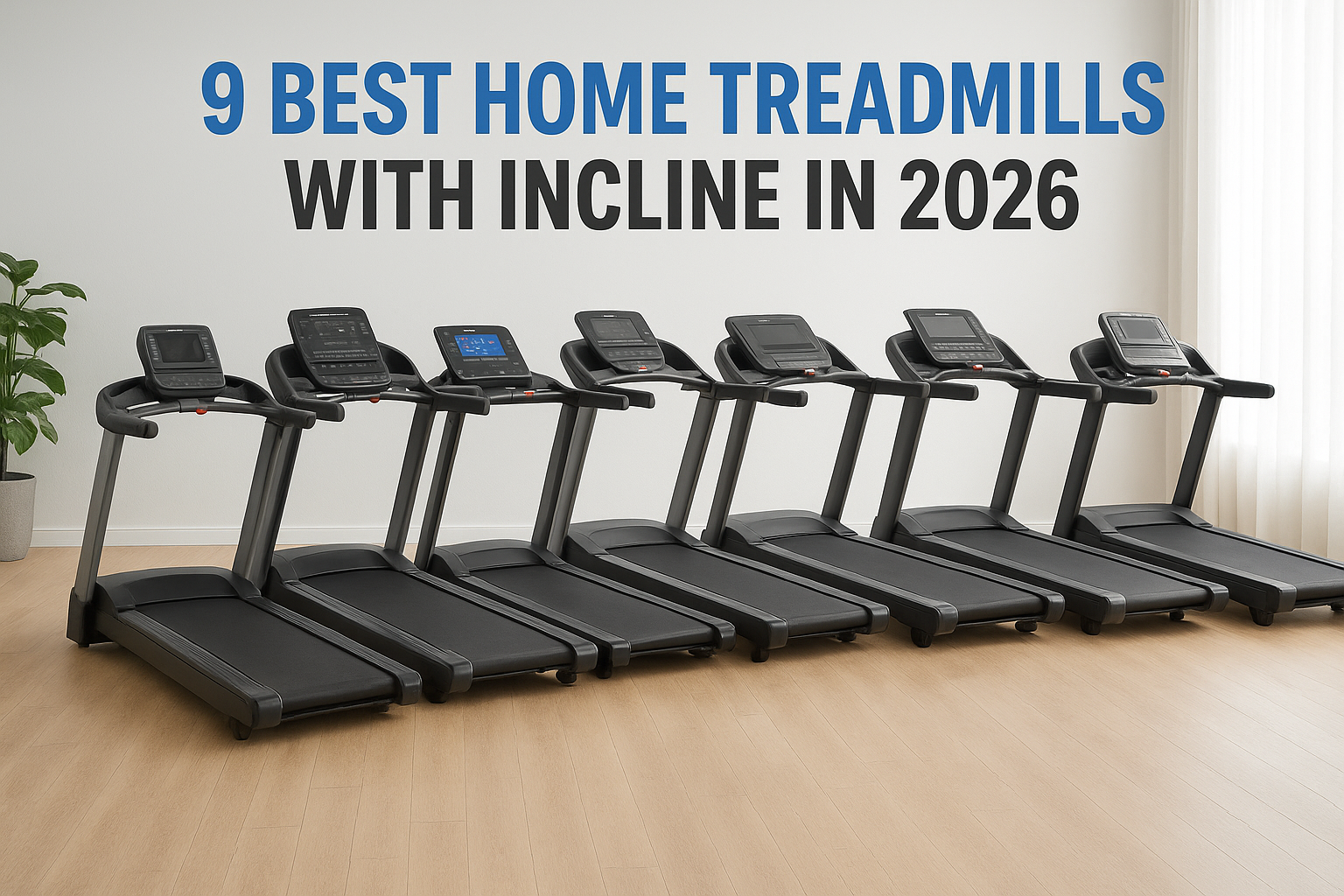
17 Sep 9 Best Home Treadmills with Incline in 2026
Shopping for the best home treadmill with incline usually means wading through spec sheets full of vague marketing terms and treadmills that fall apart after a year of real use. You want a machine that handles serious incline training, holds up to daily runs, and doesn’t lock you into a subscription just to see your own workout data. That’s a tall order, and most buying guides online just recycle the same affiliate picks without ever testing motor durability or belt quality under load.
This guide answers a specific question: which treadmills actually deliver strong incline range, a heavy duty frame, and an AC motor built for daily home use, not occasional light walking. We also cover which models offer real Bluetooth connectivity to apps like Kinomap without forcing you into a paywall for basic features.
Below you’ll find nine treadmills worth your money in 2026, ranked by incline capability, motor quality, construction, and console features. We break down what separates commercial-grade machines from the flimsy models sold at big box stores, so you can compare specs like a pro and pick a treadmill that fits your training goals and your budget.
1. 3G Cardio Elite Runner X: best AC motor treadmill
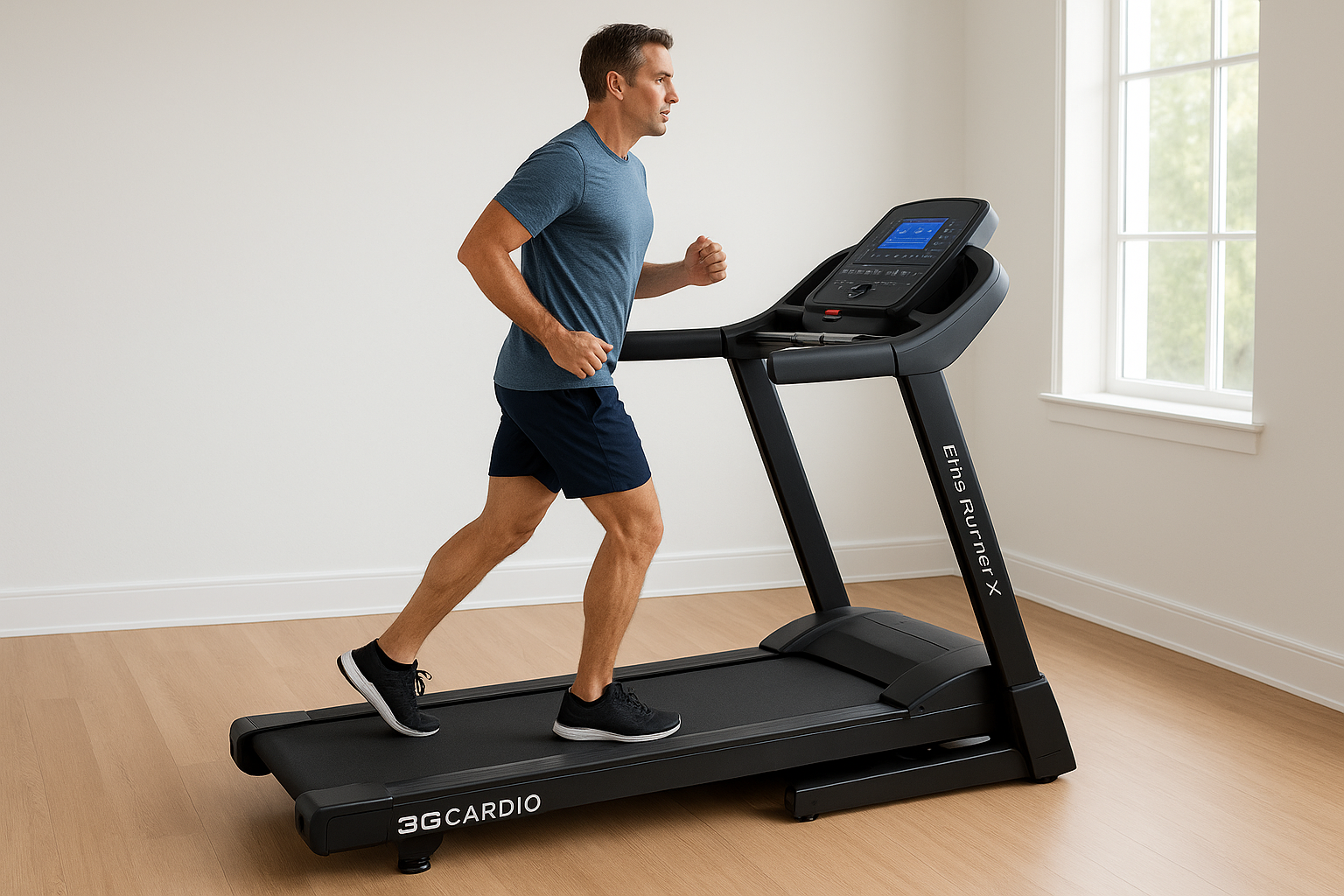
The 3G Cardio Elite Runner X tops this list because it’s built around a commercial-grade AC motor instead of the DC motors you’ll find on most residential machines. AC motors run cooler, last longer under daily use, and don’t lose torque as they age the way DC motors do. If you’re searching for the best ac motor treadmill for home use, this is the model to compare everything else against.
Key specs and incline range
The Elite Runner X pairs a 4.0 HP continuous-duty AC motor with a power incline range of 0 to 15%, giving you enough grade to simulate real hill training without buying a separate incline trainer. Speeds top out at 12 mph, and the running surface measures a generous 22 x 62 inches, wide enough for taller runners with a longer stride.
| Spec | Elite Runner X |
|---|---|
| Motor | 4.0 HP continuous-duty AC |
| Incline range | 0-15% |
| Top speed | 12 mph |
| Running surface | 22" x 62" |
| Connectivity | FreeSync™ FTMS Bluetooth |
| Max user weight | 400 lbs |
The console runs FreeSync FTMS Bluetooth, the same no-fee app pairing used across the 3G Cardio lineup, connecting directly to Kinomap and other FTMS-compatible apps without a proprietary subscription. That matters if you’ve ever gotten locked out of your own workout history because a company changed its app pricing.
A commercial AC motor is the single biggest factor separating a treadmill that lasts ten years from one that dies in eighteen months.
Who it’s best for
Serious runners and households with multiple daily users get the most out of this machine, the same crowd we had in mind when ranking treadmills that hold up to serious daily mileage. The heavy duty frame and commercial motor mean it shrugs off the kind of daily pounding that wears out lighter home treadmills within a year or two. Anyone training for hill repeats, marathon prep, or just wanting a machine that won’t need a motor replacement in year three should put this at the top of their list.
Pros and cons
- Pro: Commercial AC motor rated for continuous daily use, not just occasional walking
- Pro: 15% incline range covers serious hill training without a separate incline machine
- Pro: FreeSync Bluetooth works with third-party apps, no forced subscription
- Pro: Wide 22" belt fits taller runners comfortably
- Con: Higher upfront price than entry-level folding treadmills
- Con: Larger footprint means it’s not ideal for tight apartments
Price and warranty
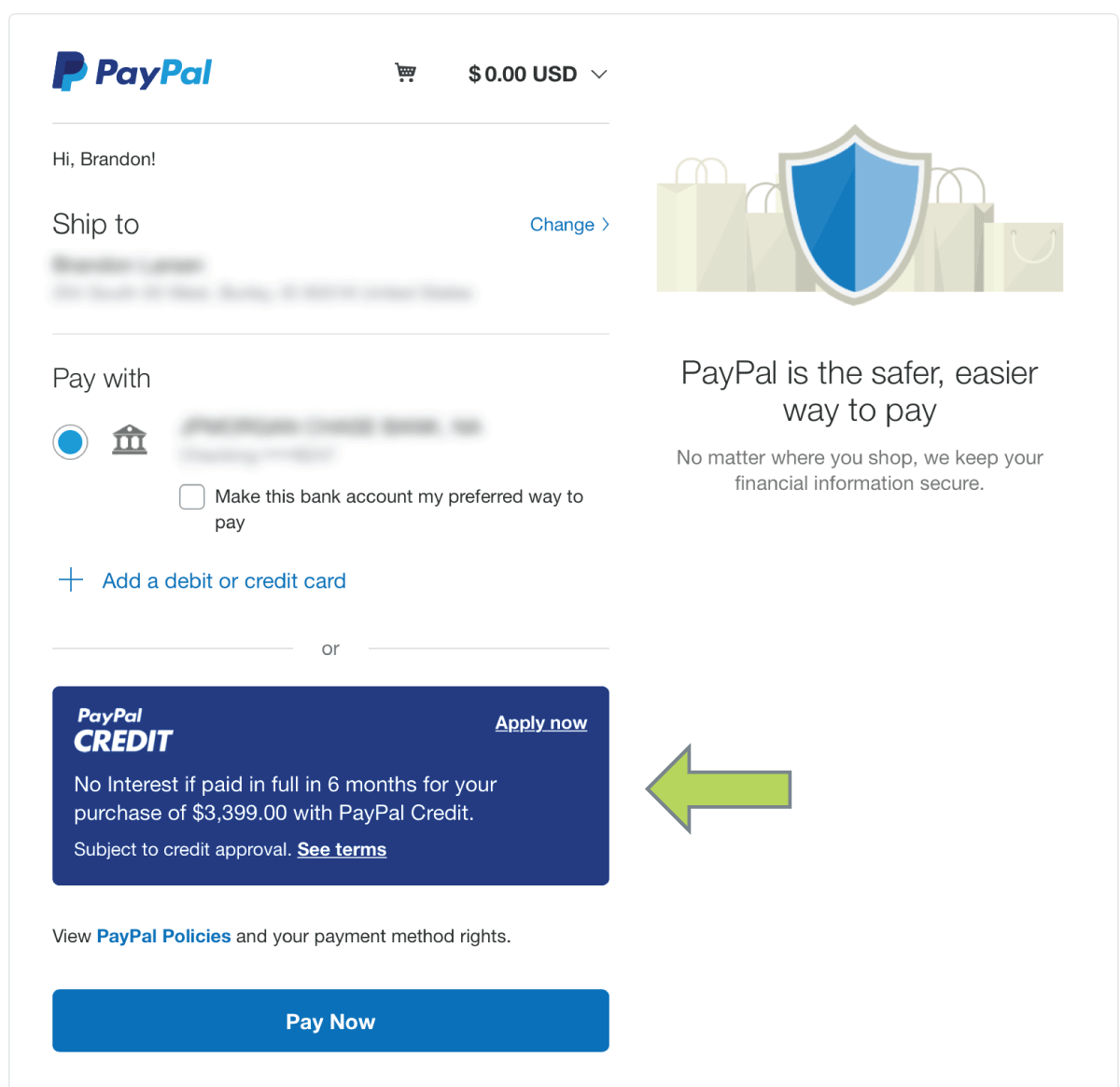
The Elite Runner X sits at the premium end of the home treadmill market, reflecting the commercial-grade components inside it. You get a lifetime frame warranty, 7 years on parts, and 1 year of in-home labor, along with a heart rate strap included at no extra cost. 3G Cardio also offers free curbside delivery, White Glove delivery and installation options, and 6 months 0% financing through PayPal Credit, so the total isn’t all due upfront. Full current pricing and specs are on the Elite Runner X product page.
2. NordicTrack Commercial 1750: best for iFit training
The NordicTrack Commercial 1750 built its reputation on the strength of its iFit ecosystem, and it remains the go-to pick for runners who want a coach-led experience with live studio classes and auto-adjusting incline. This is a DC motor treadmill, not an AC one, but the trade-off is a massive touchscreen and a training library that few competitors can match.
Key specs and incline range
A 3.75 CHP motor drives a 22" x 60" belt, with incline running from -3% decline up to 15% and a 14-inch HD touchscreen that auto-adjusts both incline and speed during iFit-guided workouts.
| Spec | Commercial 1750 |
|---|---|
| Motor | 3.75 CHP DC |
| Incline range | -3% to 15% |
| Top speed | 12 mph |
| Running surface | 22" x 60" |
| Connectivity | iFit, Bluetooth audio |
Auto-adjusting incline turns a flat run into a hill workout without touching a button, which is the whole point of buying this machine.
Who it’s best for
Home users who thrive on guided, instructor-led training will get the most value here. If you like the feel of a spin class but for running, and you don’t mind paying a recurring fee to unlock it, the 1750 delivers a polished experience that a bare console can’t replicate.
Pros and cons
- Pro: Large touchscreen with auto incline adjustment during iFit workouts
- Pro: Bluetooth speakers and heart rate strap pairing built in
- Con: Most incline features are locked behind an iFit subscription
- Con: DC motor rated for lighter duty than commercial AC alternatives
Price and warranty
Expect to pay around $2,299 before any iFit membership costs, which run extra every month. NordicTrack backs the 1750 with a 10-year frame warranty, 2 years on parts, and 1 year of labor, shorter coverage than you’ll find on treadmills built around commercial AC motors.
3. Horizon 7.0 AT: best for steep incline workouts
The Horizon 7.0 AT stands out because it pushes incline further than most machines in this price range, topping out at 15% with a quick-touch incline control that gets you there in seconds. Horizon built its reputation on treadmills that punch above their price point, and the 7.0 AT is the clearest example of that in the incline category.
Key specs and incline range
A 3.5 CHP motor powers a 22" x 60" belt with Horizon’s proprietary cushioning system, and incline runs from 0 to 15% using quick-touch buttons instead of a slower dial-style adjustment.
| Spec | Horizon 7.0 AT |
|---|---|
| Motor | 3.5 CHP DC |
| Incline range | 0-15% |
| Top speed | 12 mph |
| Running surface | 22" x 60" |
| Connectivity | Bluetooth, Horizon Fit app |
Folding design keeps the footprint manageable when you’re not running, which matters if floor space is tight, and it’s worth comparing against other folding treadmills that still climb to 15%.
Quick-touch incline controls save you seconds mid-workout, and those seconds add up over a full interval session.
Who it’s best for
Budget-conscious runners who still want a serious incline range will find the 7.0 AT hits a sweet spot most competitors miss. If you’re doing hill interval training but don’t need a commercial AC motor for daily marathon-level mileage, this machine covers steep grades without the premium price tag of a fully commercial unit.
Pros and cons
- Pro: 15% incline with fast quick-touch adjustment
- Pro: Folding frame saves space between workouts
- Pro: Solid cushioning system reduces joint impact
- Con: DC motor, not built for the heaviest daily commercial use
- Con: Console feels basic compared to touchscreen competitors
Price and warranty
The 7.0 AT typically runs around $1,599, making it one of the more affordable options with a true 15% incline range. Horizon covers it with a lifetime frame warranty, 5 years on the motor, 2 years on parts, and 1 year of labor, respectable coverage for its price bracket.
4. Sole F80: best subscription-free streaming pick
The Sole F80 earns its spot here because it gives you a big touchscreen and streaming workouts without chaining you to a monthly fee. Sole built its reputation on commercial gym treadmills scaled down for home use, and the F80 keeps that no-nonsense approach: solid hardware first, software second. If you’ve been burned by a subscription price hike on another brand’s console, this is the model that lets you skip that entirely, much like 3G Cardio’s treadmills and exercise bikes that never require a membership.
Key specs and incline range
A 4.0 CHP motor drives a 22" x 60" belt, and incline adjusts from 0 to 15% using simple up and down buttons rather than a touchscreen slider.
| Spec | Sole F80 |
|---|---|
| Motor | 4.0 CHP DC |
| Incline range | 0-15% |
| Top speed | 12 mph |
| Running surface | 22" x 60" |
| Connectivity | Bluetooth, free app content |
Cushioning is adjustable at six points along the deck, so you can soften the landing zone or firm it up depending on your joints.
A treadmill with Bluetooth and free streaming content beats one that charges you monthly just to unlock incline data.
Who it’s best for
Buyers hunting for the best treadmill with bluetooth and no ongoing membership fit this machine well. It also suits anyone who wants incline variety for interval training but refuses to pay a subscription just to see basic workout metrics on the screen.
Pros and cons
- Pro: No subscription required for core incline and speed features
- Pro: Adjustable six-point cushioning reduces joint strain
- Pro: Strong 4.0 CHP motor for a mid-range price point
- Con: DC motor, not commercial-grade AC
- Con: Touchscreen is smaller than premium competitors
Price and warranty
Expect to pay around $2,199 for the F80. Sole backs it with a lifetime frame and motor warranty, 3 years on parts, and 1 year of labor, solid coverage for a treadmill in this price range.
5. NordicTrack Commercial 2450: best heavy-duty option
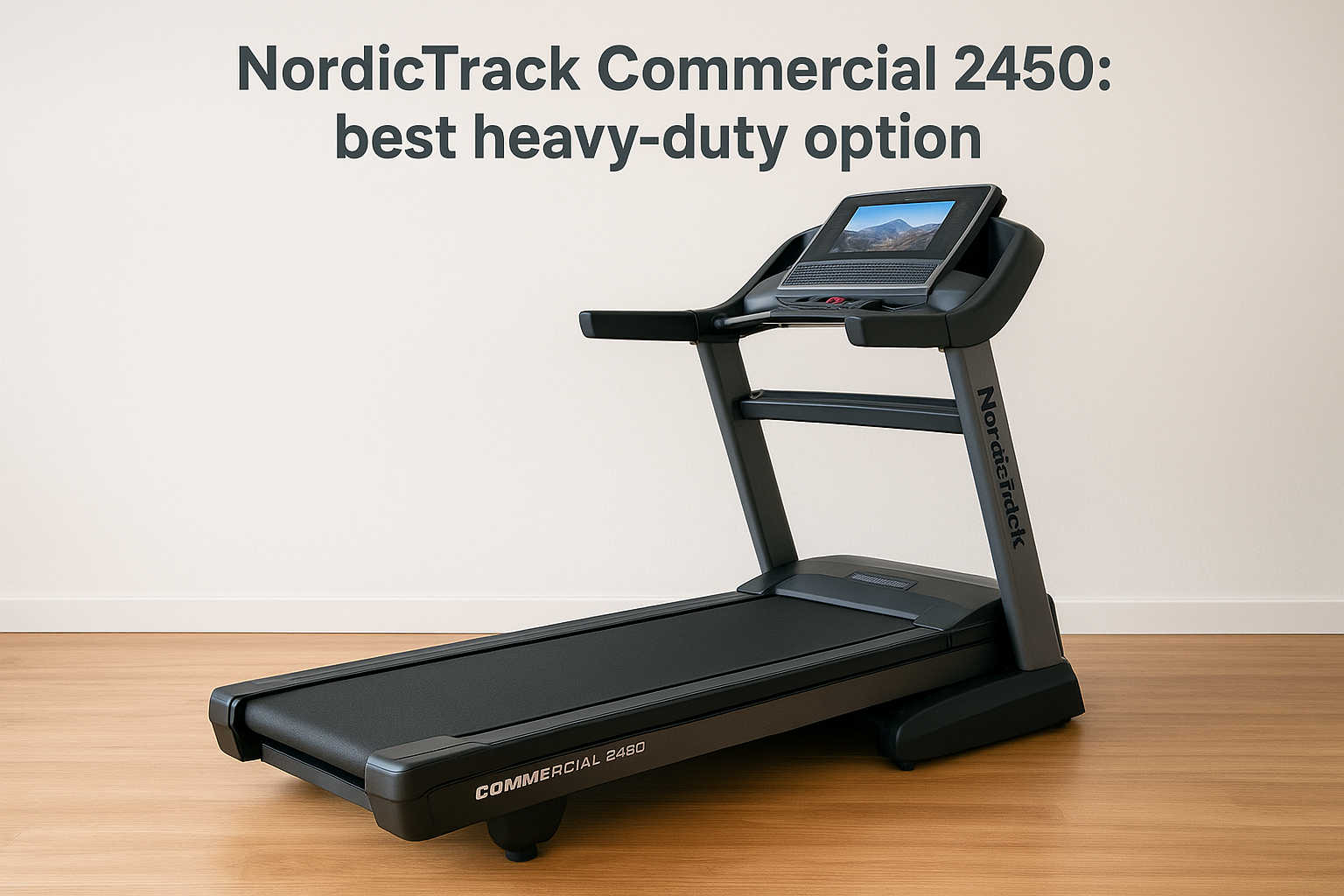
The NordicTrack Commercial 2450 carries a heavier frame and a stronger motor than most consumer treadmills, which is why it lands here as the pick for anyone searching for the best heavy duty treadmill for home use in the NordicTrack lineup. It shares the iFit ecosystem with the 1750, but the extra frame weight and higher weight capacity make it the better choice for bigger runners or households running the machine hard, multiple times a day, and it belongs in any comparison of treadmills rated for heavier runners.
Key specs and incline range
A 4.25 CHP motor drives a 22" x 60" belt, and incline runs from -3% decline to a steep 15% incline, matched by decline settings that simulate downhill running, a feature few competitors bother to include.
| Spec | Commercial 2450 |
|---|---|
| Motor | 4.25 CHP DC |
| Incline range | -3% to 15% |
| Top speed | 12 mph |
| Running surface | 22" x 60" |
| Max user weight | 300 lbs |
More frame weight and a stronger motor mean less flex and vibration when you’re pushing hard mile after mile.
Who it’s best for
Heavier runners and multi-user households benefit most from the added stability here. Households where more than one person trains daily will appreciate the sturdier build compared to lighter DC treadmills that start to shake or rattle after a year of consistent use.
Pros and cons
- Pro: Heavier frame reduces flex and vibration during hard runs
- Pro: Decline settings add downhill training on top of the 15% incline
- Pro: Higher weight capacity than most home treadmills
- Con: iFit subscription required to unlock full incline automation
- Con: DC motor, not a commercial AC unit built for continuous daily loads
Price and warranty
The Commercial 2450 typically retails near $2,799 before any iFit membership. NordicTrack backs it with a 10-year frame warranty, 2 years on parts, and 1 year of labor, coverage that trails what you’d get on a treadmill built around a true commercial AC motor.
6. Bowflex T9: best for app and Bluetooth connectivity
The Bowflex T9 stands out for how well it pairs with third-party apps, not just its own JRNY platform. It ships with a rotating media rack for a tablet, real Bluetooth connectivity for heart rate straps and headphones, and a console that doesn’t try to force you into one ecosystem. If your priority is flexible app pairing over a giant touchscreen, this is the treadmill worth comparing.
Key specs and incline range
A 3.0 CHP motor drives a 20" x 55" belt, smaller than most machines on this list, with incline adjusting from 0 to 15% through simple button controls.
| Spec | Bowflex T9 |
|---|---|
| Motor | 3.0 CHP DC |
| Incline range | 0-15% |
| Top speed | 12 mph |
| Running surface | 20" x 55" |
| Connectivity | Bluetooth, JRNY app, tablet rack |
Bluetooth pairing extends to both heart rate monitors and audio, so you can stream a podcast while the console tracks your effort without any cables.
A treadmill that pairs with whatever app you already use beats one that locks you into its own subscription.
Who it’s best for
Casual runners and app-loyal users who already have a favorite training platform get the most from the T9. It suits smaller households or spare rooms where a compact belt is fine, and it works well for anyone who wants Bluetooth flexibility without paying for a full commercial-grade frame.
Pros and cons
- Pro: Genuine Bluetooth support for heart rate straps and audio
- Pro: Tablet rack makes third-party app use easy
- Pro: Compact footprint fits smaller rooms
- Con: Smaller running surface than most competitors on this list
- Con: 3.0 CHP motor is lighter duty than the AC and higher CHP DC options above
Price and warranty
The T9 typically sells for around $1,699. Bowflex backs it with a lifetime frame warranty, 5 years on the motor, 2 years on parts, and 1 year of labor, decent coverage though shorter than what a commercial AC motor treadmill typically carries.
7. Echelon Stride-6: best folding space-saving treadmill
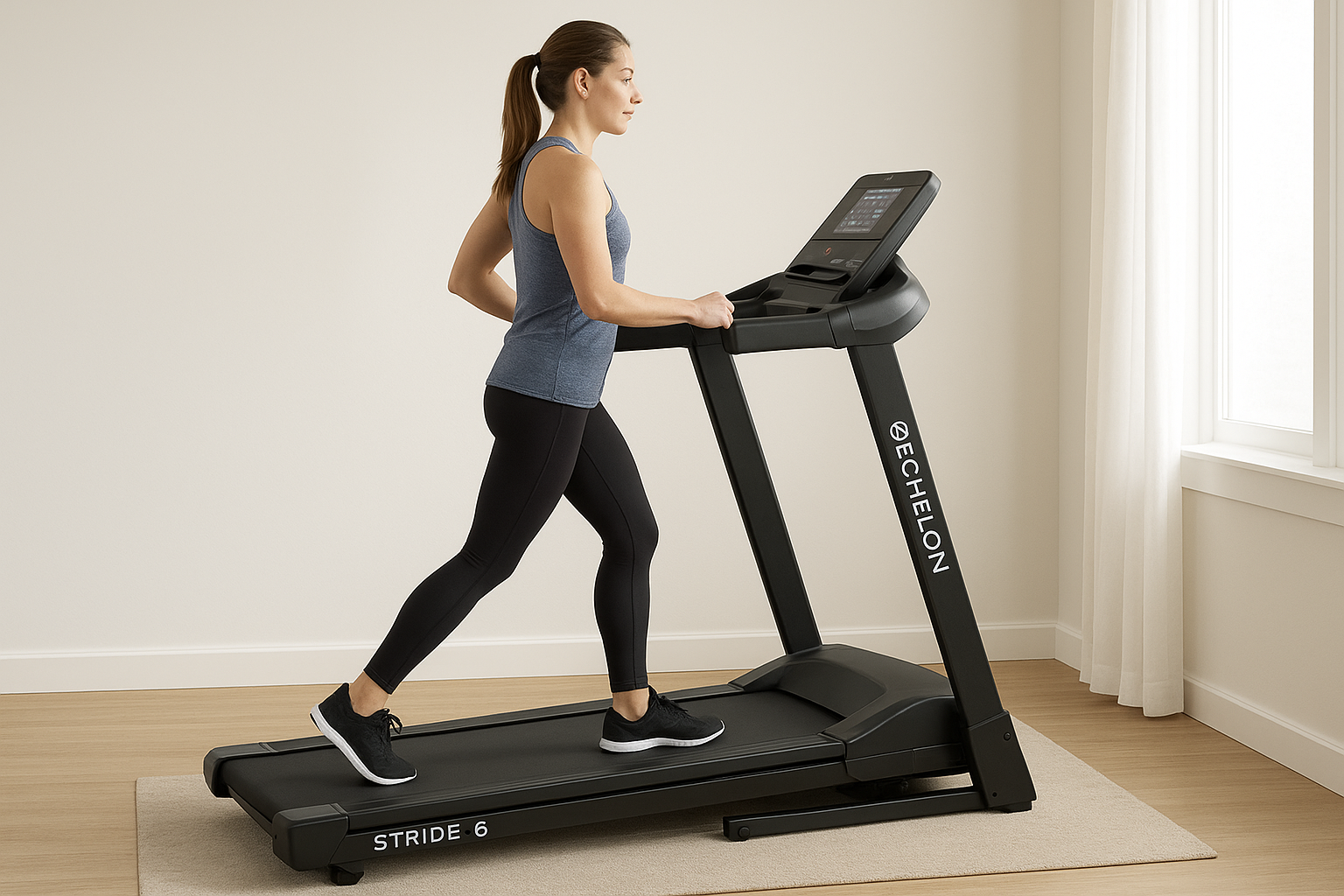
The Echelon Stride-6 solves a problem the rest of this list mostly ignores: what happens when you don’t have a dedicated workout room. It folds vertically into a footprint small enough for a closet or corner, and it still delivers a real incline range, which makes it a legitimate pick for anyone hunting the best home treadmill with incline in a condo or apartment.
Key specs and incline range
A 3.0 CHP motor drives a 20" x 55" belt, on the smaller side but adequate for walking and moderate jogging. Incline runs from 0 to 12%, a bit shy of the 15% you get on the AC and higher-end DC models above, but still enough for genuine hill training at home.
| Spec | Stride-6 |
|---|---|
| Motor | 3.0 CHP DC |
| Incline range | 0-12% |
| Top speed | 12 mph |
| Running surface | 20" x 55" |
| Connectivity | Echelon app, Bluetooth |
A folding frame only matters if the incline motor and belt hold up to daily folding and unfolding, not just sitting flat.
Who it’s best for
Space-constrained households get the clearest benefit from the Stride-6. Renters, apartment dwellers, and anyone who needs to reclaim floor space between workouts will appreciate a machine that tucks away without sacrificing incline variety entirely, though the Pro Runner X, a folding treadmill with 15 incline levels and a cushioned Ortho Shock deck covers the same need with a running-grade frame.
Pros and cons
- Pro: Compact folding design saves real floor space
- Pro: 12% incline still supports meaningful hill training
- Pro: Bluetooth connects to the Echelon app and third-party options
- Con: Echelon’s best content lives behind a paid membership tier
- Con: Smaller belt and lighter motor than commercial-grade alternatives
Price and warranty
The Stride-6 typically sells for around $1,199, one of the more affordable folding options with real incline capability. Echelon backs it with a standard limited warranty covering the frame and parts for a shorter period than the lifetime coverage found on heavier-duty treadmills, so factor that into your long-term cost expectations.
8. Horizon T101: best budget incline treadmill
The Horizon T101 is proof you don’t need to spend two thousand dollars to get real incline training at home. It’s the entry point in the Horizon lineup, but it still delivers a usable incline range and a folding frame, making it a smart pick for anyone who wants the best home treadmill with incline without stretching their budget.
Key specs and incline range
A 2.75 CHP motor drives a 20" x 55" belt, with incline adjusting from 0 to 10% using simple button controls rather than a touchscreen slider. Top speed maxes out at 10 mph, plenty for walking and light jogging but a step below the running-focused machines earlier on this list.
| Spec | Horizon T101 |
|---|---|
| Motor | 2.75 CHP DC |
| Incline range | 0-10% |
| Top speed | 10 mph |
| Running surface | 20" x 55" |
| Connectivity | Bluetooth, Horizon Fit app |
A budget treadmill only earns its price if the incline motor still holds up after a year of daily use, not just in the showroom.
Who it’s best for
First-time treadmill buyers and casual walkers get the most value here. It also suits smaller households that want basic incline variety for cardio without paying for a commercial AC motor or a massive touchscreen console they’ll rarely use.
Pros and cons
- Pro: Lowest price point on this list with a genuine incline feature
- Pro: Folding frame keeps the footprint small between sessions
- Pro: Bluetooth connects to the Horizon Fit app for basic tracking
- Con: 10% incline max, lower than the 12-15% range on pricier models
- Con: Lighter-duty motor better suited to walking than daily running
Price and warranty
The T101 typically sells for around $699, making it the most affordable entry on this list and one of several full-size treadmills that stay under the $1,000 mark. Horizon backs it with a lifetime frame warranty, 3 years on the motor, 1 year on parts, and 90 days of labor, coverage that reflects the lower price tag compared to the heavier-duty machines above.
9. Sole F63: best incline treadmill for walkers
The Sole F63 rounds out this list as the treadmill built specifically for walkers rather than runners chasing personal records. It carries Sole’s reputation for solid, no-frills hardware into a lower price bracket, and it still gives you a real incline range instead of the token 0-6% you’ll find on cheaper walking pads. If your workouts lean toward brisk walks and incline intervals rather than sprint training, this machine covers that use case well.
Key specs and incline range
A 3.0 CHP motor drives a 20" x 60" belt, longer than most treadmills in this price range, and incline adjusts from 0 to 15% using simple button controls.
| Spec | Sole F63 |
|---|---|
| Motor | 3.0 CHP DC |
| Incline range | 0-15% |
| Top speed | 10 mph |
| Running surface | 20" x 60" |
| Connectivity | Bluetooth, free app content |
A longer belt matters more for walkers than a higher top speed, since stride length stays consistent even at slower paces.
Who it’s best for
Walkers, older adults, and anyone prioritizing low-impact cardio over high-speed running get the most value from the F63, especially if you’re chasing what daily treadmill walking does for weight loss and health. It also suits households where the treadmill mainly handles daily walks with the occasional incline interval session rather than marathon training mileage.
Pros and cons
- Pro: Full 15% incline range at a walker-friendly price point
- Pro: Longer 60-inch belt gives more room than most budget machines
- Pro: No subscription needed for core incline and Bluetooth features
- Con: 10 mph top speed limits it for serious runners
- Con: Lighter-duty motor than the AC and high CHP options earlier on this list
Price and warranty
The F63 typically sells for around $1,299, positioning it as a mid-range value pick. Sole backs it with a lifetime frame and motor warranty, 3 years on parts, and 1 year of labor, generous coverage considering the price and one of the stronger warranties among the budget-friendly machines on this list.
10. What to look for in a home treadmill with incline
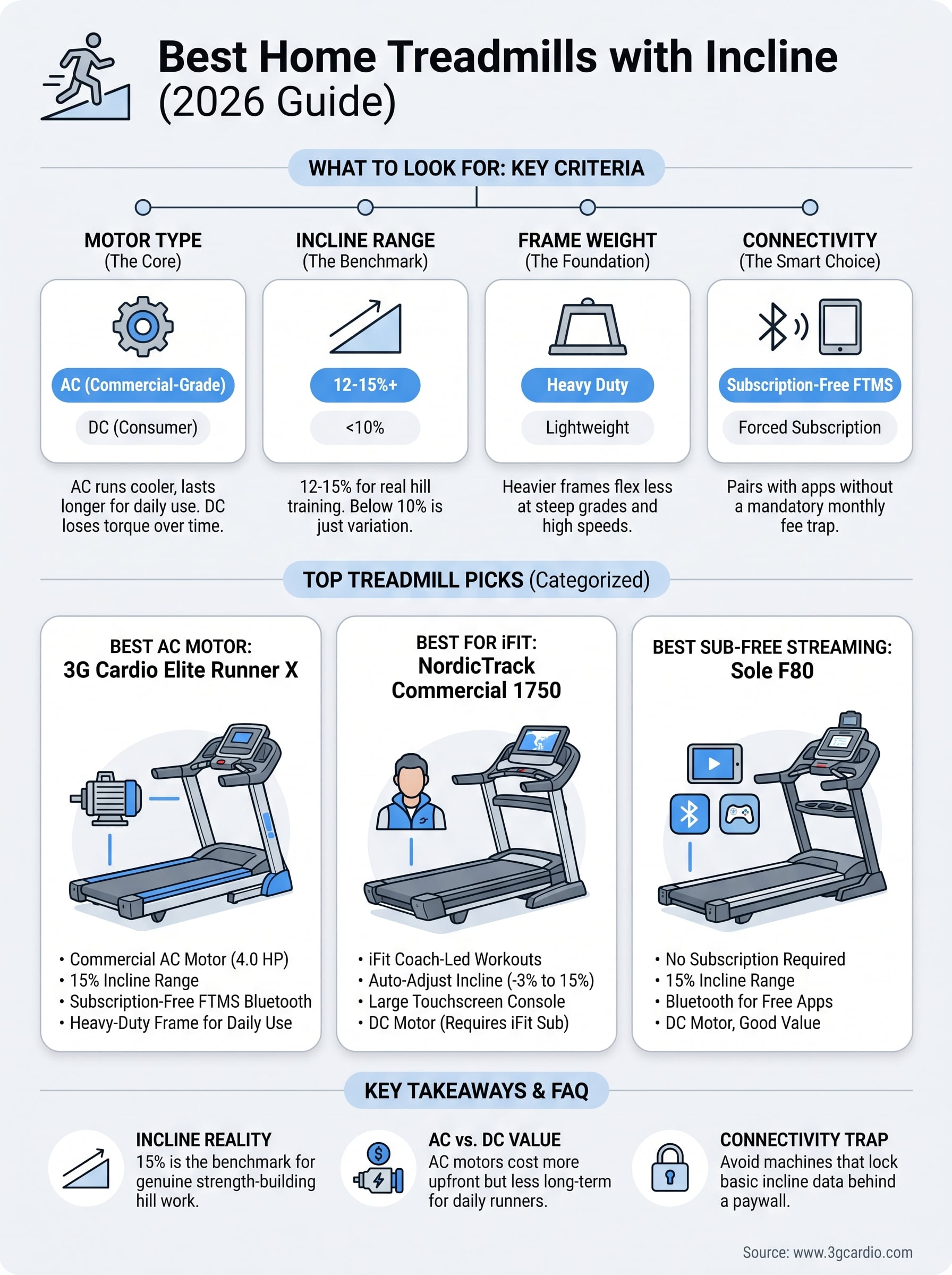
Buying a treadmill by price alone leads to regret within a year. Focus on four things instead: motor type, incline range, frame weight, and connectivity, using a spec-by-spec approach to choosing a treadmill, since those determine whether the machine survives daily use or becomes an expensive coat rack.
Motor type matters more than horsepower
Continuous-duty AC motors run cooler and hold torque longer than DC motors, which is why commercial gyms use them almost exclusively. A DC motor rated at 4.0 CHP sounds impressive on paper, but CHP (continuous horsepower) figures are inflated compared to real AC motor output. If you’re running five or more days a week, an AC motor pays for itself in avoided repairs.
The motor is the one part you can’t easily replace, so buy the best one you can afford.
Incline range and frame weight go together
A 15% incline range is the current benchmark for serious hill training, and anything under 10% limits your workout variety, though what grade you actually train at matters just as much as the maximum. But steep incline puts real stress on a light frame, so pair a high incline range with a heavier-duty chassis. Check these specs side by side before buying:
- Incline range: 12-15% supports genuine hill training; below 10% suits walking only
- Frame weight: heavier frames flex less at steep grades and high speeds
- Weight capacity: match this to the heaviest household user, not the average
- Belt size: 20"x60" or larger accommodates taller runners comfortably
Connectivity without the subscription trap
Look for Bluetooth FTMS connectivity, which lets you pair the console with apps like Kinomap or Zwift without a proprietary account, and know what FTMS Bluetooth can and can’t control on a treadmill before you buy. Plenty of treadmills advertise smart features that turn out to be locked behind a monthly fee the moment you want incline auto-adjustment or workout history. Test whether core functions like speed, incline, and heart rate tracking work without logging into anything first.
11. Frequently asked questions about incline treadmills
What incline range do I actually need for hill training?
Most serious runners get real benefit from a 12-15% incline range, since that mimics the grade of actual hill climbs rather than a gentle slope. Anything below 10% limits you to light cardio variation instead of genuine strength-building hill work. If you’re comparing the best treadmill for home with incline options, treat 15% as the benchmark and treat lower numbers as a compromise, not a feature.
Is an AC motor worth the extra cost over a DC motor?
Yes, if you’re training daily. AC motors run cooler under continuous load and don’t lose torque the way DC motors do after a couple of years of five-day-a-week use. DC motors work fine for occasional walkers, but anyone logging serious mileage will feel the difference in reliability within eighteen months.
An AC motor costs more upfront but almost always costs less once you add up the total cost of owning a treadmill over five years.
Do I need Bluetooth on a treadmill?
Only if you plan to track workouts through a third-party app like Kinomap or Zwift. Bluetooth FTMS connectivity lets the console talk to those apps directly, but confirm it’s real FTMS support and not a locked, brand-specific connection that only works with one paid platform.
Has anything changed since older buying guides from a few years ago?
Searches for the best treadmill for home use 2022 still show up, but incline technology has moved on considerably since then. Motors run more efficiently, FTMS Bluetooth is now common instead of rare, and warranties on commercial-grade frames have gotten longer. Treat any guide older than two years as a starting point, not a final answer.
How much floor space does a home treadmill need?
Plan for at least 20 square feet of clearance beyond the machine’s footprint, including space behind the belt for safe dismounts, and borrow from these small-space setup ideas for a home gym with a treadmill if the room is tight. Folding models save storage room, but check the folded height against your ceiling clearance before buying.
Choosing the incline treadmill that fits your routine
The right treadmill comes down to how you actually train, not which console looks flashiest in a showroom. Runners logging serious weekly mileage need a commercial AC motor and a frame that won’t flex under steep grades. Walkers and casual users can get away with lighter DC motors and smaller belts, as long as the incline range still hits double digits. Whatever you choose, don’t pay a monthly fee just to see your own incline data or heart rate stats.
Before you buy, check the motor type, incline range, frame weight, and connectivity against the checklist above, and skip any machine that locks core features behind a subscription. If you want a treadmill built around a true commercial-grade AC motor with real Bluetooth FTMS connectivity and no forced app fees, take a closer look at the Elite Runner X, a club-quality treadmill with a 15% incline, 22" x 62" cushioned deck, and 400 lb capacity.

No Comments