

14 Oct Treadmill Without Subscription: 5 Best Models for Home Use
The best treadmill without subscription is one where the motor, belt, incline, and console all work fully the day you plug it in, and no feature is ever locked behind a monthly fee. For serious runners and heavier users, that points to the 3G Cardio Elite Runner X Treadmill. For small spaces, the 3G Cardio Pro Runner X Treadmill folds away and still handles real running. Walkers, desk workers, and sprint trainers have good options too, and they are covered below.
If you already own a NordicTrack or a Peloton, your question is a different one. Can you still use it when the trial ends or you cancel? Mostly yes, but you lose the classes, the automatic speed and incline changes, and parts of the screen. That is why so many people end up shopping for a machine that costs money once and then stops asking for it.
3G Cardio is an Arizona manufacturer that sells commercial-grade cardio machines directly to home users. We build on a simple idea: better parts, no forced fees. This guide ranks five subscription-free options, explains what NordicTrack and Peloton treadmills still do without a membership, and shows you how to compare specs and ownership cost.
1. 3G Cardio Elite Runner X
Key specs and features
The Elite Runner X is 3G Cardio’s flagship treadmill, built to feel like a health-club machine at home. It pairs a 4.0 HP club-rated motor with a 22" x 62" Ortho Flex Shock cushioned deck, which gives you a long, wide running surface that softens each footstrike. Here is what the spec sheet covers:
- Top speed of 12 mph and 15% incline
- Maximum user weight of 400 lb
- FTMS Bluetooth console with built-in speakers, MP3 and aux input, and a cooling fan
- Heart rate grips on the handrails
- Residential warranty: lifetime motor, lifetime frame, 10 years parts, 2 years in-home labor
- Commercial warranty: 5 years on motor, frame, and parts, plus 1 year labor
Warranty length tells you how a maker views its own parts. A lifetime motor and frame warranty on a home treadmill is a strong signal that the machine is meant to run for many years, long after any app trial would have expired.
How it works without a subscription
Everything on this treadmill works the moment you assemble it. The console controls speed, incline, and heart rate with no paid plan and no trial clock. Nothing is locked, because nothing on the machine depends on a membership.
If you want video classes or virtual routes, you bring your own screen. 3G Cardio calls this Bring Your Own Screen, or BYOS. The console uses FTMS, the Fitness Machine Service standard for Bluetooth, so apps on your phone or tablet can read your speed, incline, and heart rate. The Kinomap app is a partner integration, which means you can run real-world video routes on a tablet you already own.
One honest note: some third-party apps charge their own fees. The treadmill never requires one, so you decide whether any app is worth paying for.
If a feature stops working when you stop paying, you never fully owned the treadmill.
Who it suits and where it falls short
The Elite Runner X suits serious runners, marathon trainees, and heavier users who want a gym-quality deck at home. The 400 lb capacity and 4.0 HP motor give you room to grow, and the cushioned deck is easier on knees and shins during long runs. It also suits households where several people share one treadmill, because commercial-grade parts handle that kind of use.
It has real trade-offs. A machine in this class is large and heavy, so measure your room and the path from the door before you order. It also has no built-in trainer-led classes. You supply the screen and the content.
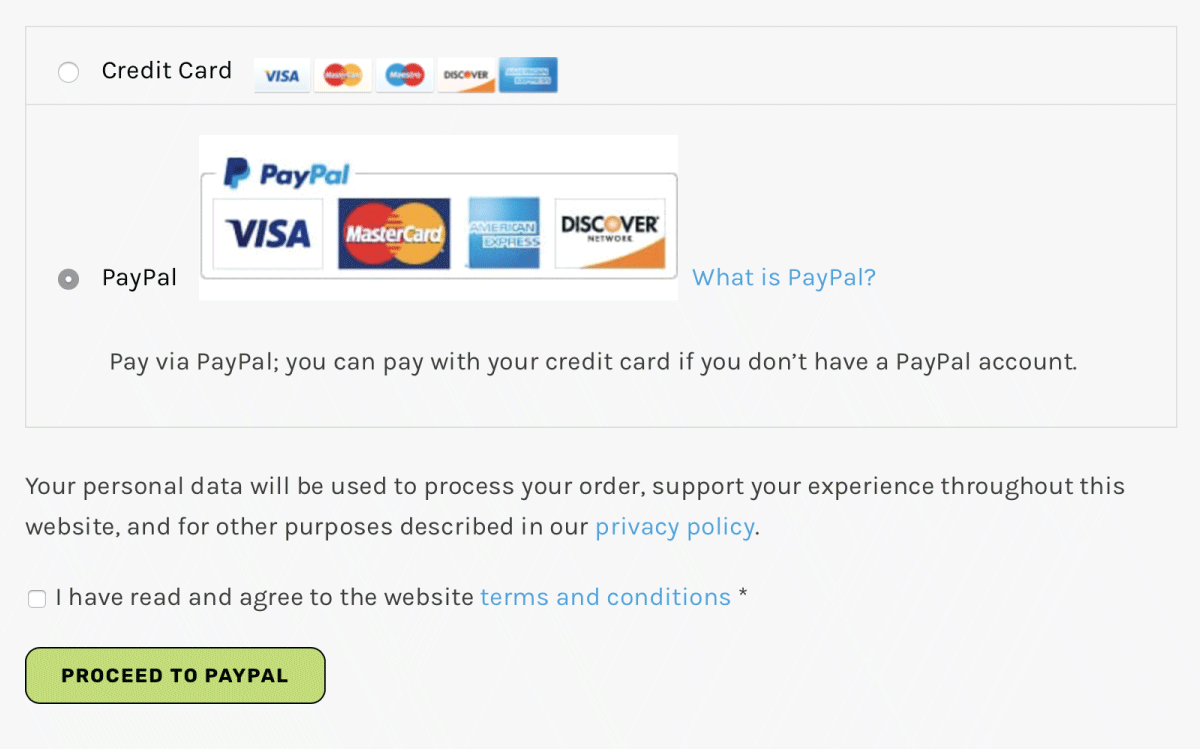
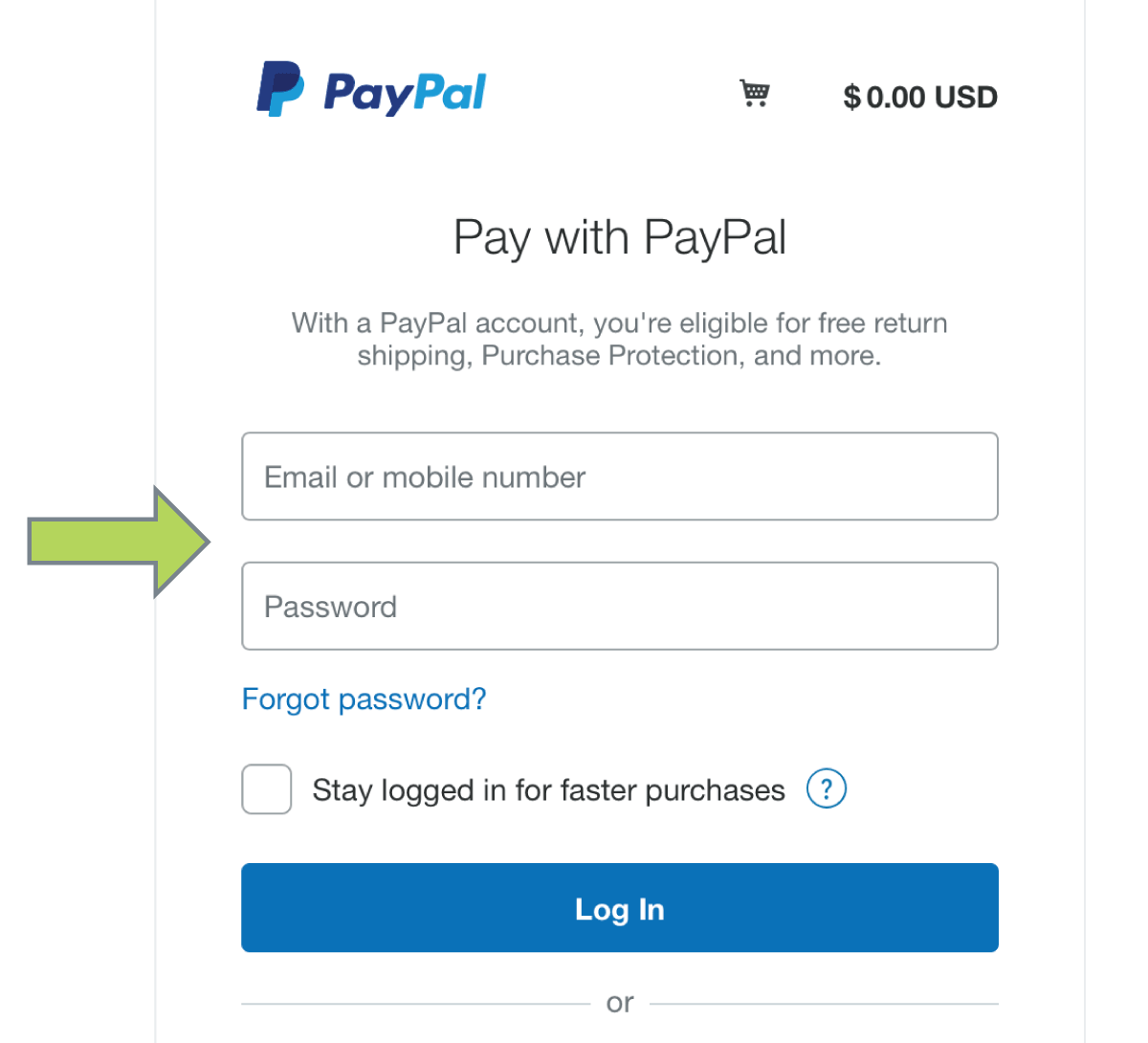
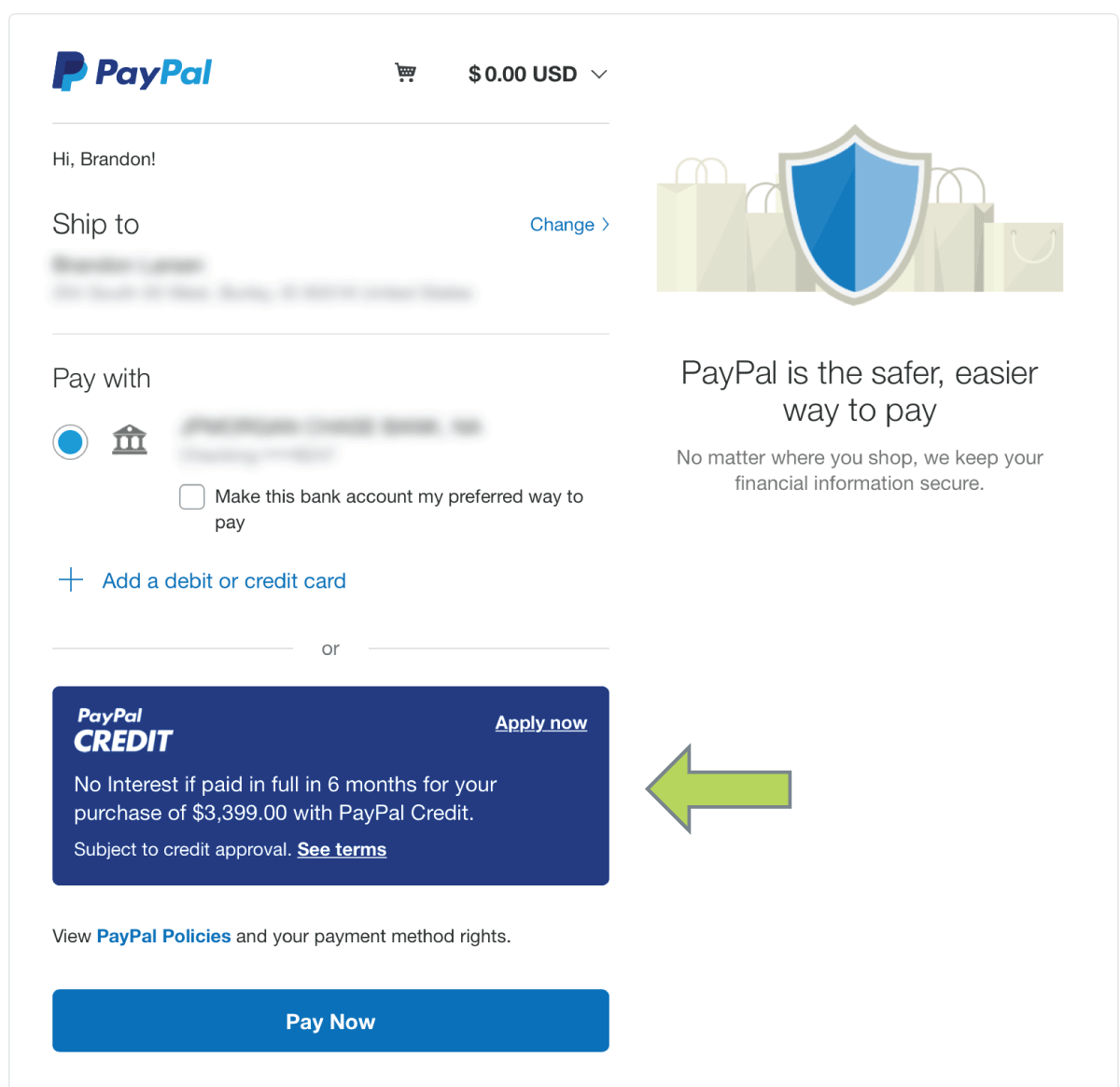
Delivery is either free curbside or White Glove delivery and installation. 3G Cardio offers a price matching guarantee within 6 months of purchase, and 6 months 0% financing through PayPal Credit is available.
2. 3G Cardio Pro Runner X
Key specs and features
The Pro Runner X is the folding, space-saving treadmill for people who still run hard. It has a 3.0 HP motor, a 20.5" x 58" orthopedic belt, 15 incline levels, and a 12 mph top speed. The deck has a low step-up height, which makes getting on and off easier, and maximum user weight is 350 lb. When folded, the machine is 40" long, so it fits in a corner, a closet, or a spare bedroom.
Here is how it compares with the Elite Runner X:
| Spec | Elite Runner X | Pro Runner X |
|---|---|---|
| Motor | 4.0 HP club-rated | 3.0 HP |
| Belt size | 22" x 62" | 20.5" x 58" |
| Top speed | 12 mph | 12 mph |
| Incline | 15% | 15 levels |
| Max user weight | 400 lb | 350 lb |
| Console | FTMS Bluetooth, speakers, MP3 and aux input, fan, heart rate grips | FTMS Bluetooth, 8 programs, 2 custom programs, fitness tests, fan, heart rate grips |
| Residential warranty | Lifetime motor and frame, 10 years parts, 2 years in-home labor | Lifetime motor and frame, 5 years parts, 1 year labor |
| Best for | Serious runners, heavier users | Small spaces, quality without flagship size |
Both machines run at the same top speed. The difference is mostly deck size, motor power, and capacity.
How it works without a subscription
The Pro Runner X uses the same FTMS Bluetooth approach as the Elite. Your tablet or phone can read speed and incline, and you can add apps if you want them. The extra advantage here is the 8 built-in programs, 2 custom programs, and fitness tests on the console itself. You can do structured interval or hill workouts with no app, no login, and no Wi-Fi.
Heart rate comes through the hand grips. A wireless chest strap is optional, and it is worth adding if you train by heart rate zones, because grip readings fluctuate with your hand position. Using this treadmill without subscription costs nothing beyond what you choose to add.
Who it suits and where it falls short
This model suits apartment runners, shared-room home gyms, and anyone who needs the machine out of the way after a workout. It also suits buyers who want a lifetime motor and frame warranty without paying for flagship size. If you run three to five times a week and weigh under 350 lb, it covers you.
The trade-offs are clear from the table. The 58" belt is fine for most runners, but a tall runner with a long stride may prefer the 62" deck on the Elite. The motor is lighter, so a heavy user doing daily hard sprints will be better served by the bigger machine. The wireless chest strap is not included, so add one if you want accurate heart rate data.
3. Sole F80
Key specs and features
The Sole F80 is a well-known folding treadmill that does not tie its core features to a paid membership. Sole lists it with a 3.5 HP motor, a 22" x 60" deck, a top speed of 12 mph, and 15% incline. It folds for storage and carries a lifetime frame and motor warranty. Specs and console options can change between model years, so confirm the details on the current listing before you buy.
Sole sells the F80 with different console options in different years. Check which version you are getting, and confirm that any app on a built-in display does not require a paid plan to use its main features.
How it works without a subscription
A basic Sole console works like a classic treadmill. You press buttons to set speed and incline, pick from built-in workout programs, and track time, distance, pace, and heart rate. No account is needed to start a run. Bluetooth on the console handles audio, and a tablet holder lets you stream whatever you already subscribe to elsewhere.
That makes the F80 a solid treadmill without subscription at its core. You buy the machine, plug it in, and run. If you want video content, you pay for it separately and only if you choose to.
Who it suits and where it falls short
The F80 suits runners and walkers who want a larger deck than a basic folding model and are comfortable running without a connected app ecosystem. A 22" width is comfortable for a wide stride, and a 3.5 HP motor handles regular running.
The trade-offs are the same ones you accept with any non-connected console: less built-in motivation, and no automatic adjustment from a class. Compared with the 3G Cardio machines above, there is no FTMS-based Bring Your Own Screen setup to check against, so confirm Bluetooth app support for your console version if you want to control the belt from an app. Also compare warranty length on parts and labor, because that is where models differ most.
A good subscription-free treadmill does the boring parts well: motor, deck, frame, and warranty.
4. A walking pad or under-desk treadmill
Key specs and features
A walking pad is a compact, low-profile treadmill built for walking, not running. Most use a small motor, a short, narrow belt, and a top speed around 4 mph, though some reach 6 mph. Many fold flat or slide under a bed or sofa. They usually have no console at all. You control speed with a remote, a small display, or a phone app.
Weight limits are often lower than on full-size treadmills, commonly in the 220 to 300 lb range, so check the limit against your weight. Look for a belt long enough for your natural stride and for a motor rated for continuous use, since a desk pad may run for hours a day.
How it works without a subscription
Walking pads are the simplest treadmill without subscription option because there is nothing to subscribe to. No touchscreen, no classes, no account. You press start, set a pace, and walk while you work, watch TV, or take calls. Most use a remote or button controls, and some pair with a basic free app for step counts.
That simplicity is the point. It also means no incline in most models, no heart rate monitoring, and no built-in programs. If you want data, you can use a fitness watch.
Who it suits and where it falls short
A walking pad suits desk workers, apartment dwellers, and anyone adding daily steps rather than training for a race. It is a good second machine for a home office. A quiet motor and low deck height help with video calls and shared walls.
It is the wrong tool for running. Short belts and small motors are not built for the impact and speed of a jog, and using one that way shortens its life and can be unsafe. If you want to run, pick one of the full-size treadmills above. If your goal is steady, low-effort movement through the day, a walking pad is a fair choice.
5. A manual curved treadmill
Key specs and features
A manual treadmill has no motor and no electrical connection. Your own stride moves the belt, so speed depends on how hard you push. The best-known type has a curved running surface. Simpler flat manual treadmills exist too, but they feel heavy underfoot and are harder to use for real running.
Many curved models have a small console that runs on a battery or on power from your motion. It tracks time, distance, and speed. There are no incline motors, no cushioning systems, and no built-in programs. Quality models are heavy and sturdy, and good ones can cost as much as a full-size motorized treadmill.
How it works without a subscription
A manual treadmill needs no power outlet, so there is nothing to activate and nothing to renew. The only technology is a basic display. This makes it a true treadmill without subscription, because there is no software to lock.
The workouts come from you. Manual treadmills tend to feel harder than motorized ones at the same pace, because you are driving the belt. That makes them effective for sprint intervals, short HIIT sessions, and conditioning circuits. Warm up on a slow walk, then push hard for short bursts. If you want structured intervals, use a watch or a timer on your phone.
Who it suits and where it falls short
This type suits athletes, sprint trainers, and gym-style home setups where intensity matters more than comfort or long, easy miles. It also suits people who want zero electronics and a very durable machine.
It does not suit everyone. The learning curve can be awkward for new users, and long easy runs are harder than on a motorized deck. There is no incline setting, so you cannot simulate hills the way you can on the Runner X models. If you want to walk slowly while reading, or you rehab from injury, a motorized treadmill is easier to control.
Using a NordicTrack or Peloton treadmill without a subscription
What NordicTrack treadmills still do without iFIT
Yes, a NordicTrack treadmill still runs without an active iFIT membership, but it becomes a much simpler machine. The motor, belt, and incline all keep working in manual mode, where you set speed and incline yourself. What you lose is trainer-led classes, automatic speed and incline changes that follow the instructor, map routes, and online workout history.
Most new iFIT-enabled models ship with a trial membership, and the length depends on the model and the promotion at the time. On touchscreen models, expect reminders to renew. The exact behavior can vary by model and software version, so do not assume every feature in manual mode stays the same after a software update.
My practical advice is to test manual mode for a week before you cancel. Run your normal workouts, adjust speed and incline by hand, and see how it feels. ProForm treadmills use the same iFIT platform, so the same rules mostly apply to them. I would skip any workaround that alters the console software, because it can put your warranty at risk.
What Peloton Tread and Tread+ do without a membership
Peloton ties more of the experience to its own membership. Without an active All-Access Membership, you can still use a basic run mode, but classes, leaderboards, and most of the content need the membership. Peloton’s support pages list exactly what remains available for your model, and that list has changed over time, so check it before you cancel.
Peloton treadmills are also built around Peloton’s own software. That limits how much you can do with third-party apps on the same machine. If you want to run with a different app, check your model’s support page rather than assuming the machine will pair.
Here is how the three situations compare in general terms. Confirm details for your specific model.
| Feature | NordicTrack without iFIT | Peloton without membership | Treadmill without subscription by design |
|---|---|---|---|
| Manual speed and incline | Yes | Basic run mode on most models | Yes |
| Trainer-led classes | No | No | Only through apps you choose |
| Automatic speed changes from a class | No | No | Possible through FTMS-compatible apps |
| Cloud workout history | No | Limited | Depends on the app you pick |
| Ongoing fee required | To use the full experience | To use the full experience | No |
Cancelling a subscription does not break your treadmill, but it does remove most of what the screen was for.
Should you keep it or switch?
Keep your current treadmill if you actually use the classes at least a few times a week. In that case the monthly fee buys something you value, and cancelling would only lower your motivation.
Switch if you use manual mode most of the time. You are carrying the cost of a large screen and a software platform that you do not use. Selling the machine and buying a simpler treadmill can lower your monthly costs and give you stronger warranty terms. In that case a machine like the Elite Runner X or Pro Runner X gives you a commercial-grade deck and a console that never asks for payment.
How to choose a treadmill without subscription fees
Specs that matter more than the screen
When there is no subscription to compare, the hardware has to carry the decision. Start with the motor. As a rule of thumb, look for at least 3.0 HP continuous duty for running and a lower figure for walking only. Then look at deck length. Most runners are comfortable on 55" to 60", and taller runners with long strides should look at 60" or more.
Use this checklist when you compare any treadmill:
- Motor: continuous-duty horsepower, not peak horsepower
- Deck: length and width for your stride, plus cushioning
- Max user weight: leave a margin above your own weight
- Warranty: motor and frame coverage, parts length, and whether in-home labor is included
- Console: runs without Wi-Fi, an account, or a paid plan
- Connectivity: FTMS Bluetooth if you want to use third-party apps
- Delivery: assembly and installation options
Warranty deserves special attention. A long motor and frame warranty protects the most expensive parts, and parts and labor coverage decides how much a repair really costs you.
What subscriptions really cost over five years
A treadmill’s ticket price is only part of the real cost of owning it. A monthly fee runs for as long as you want the full experience. The table below uses illustrative monthly fees, not any specific company’s price, so you can plug in your own number.
| Monthly fee | After 1 year | After 3 years | After 5 years |
|---|---|---|---|
| $10 | $120 | $360 | $600 |
| $20 | $240 | $720 | $1,200 |
| $40 | $480 | $1,440 | $2,400 |
At a $20 monthly fee, five years of subscription adds $1,200 to the cost of the treadmill. That can be the difference between a connected model and a stronger commercial-grade deck with a better warranty. Add your own plan price, then compare the total against a treadmill without subscription costs.
How to train with structure and no membership
You do not need a class library to train well. Use the built-in programs if your console has them, or run simple intervals by hand. A good starting workout is 5 minutes of easy warm-up, then 6 rounds of 2 minutes hard and 2 minutes easy, then 5 minutes of cool-down. Hard should feel like 8 out of 10 effort.
For variety, add a tablet. Free video content and apps that read FTMS data can give you routes and structure. With the Elite Runner X and Pro Runner X, the Bring Your Own Screen setup works this way. If you prefer data over video, use a chest strap and train by heart rate zones.
Choosing a treadmill you fully own
A good treadmill without subscription is defined by what it does when you stop paying: everything. Pick by motor, deck, warranty, and a console that never asks you to renew. For serious runners and heavier users, the 3G Cardio Elite Runner X is built for that. For smaller rooms, the Pro Runner X folds away and still handles real running. Walking pads and manual treadmills fill the gaps for walkers and sprint trainers.
If you already own a NordicTrack or a Peloton, test manual mode before you cancel. If you rarely use the classes, a simpler machine is a sound move.
Ready to compare? See the Elite Runner X Treadmill or the folding Pro Runner X Treadmill and check current pricing, delivery options, and warranty terms.

No Comments