
22 Oct Best Commercial Treadmills: 8 Heavy-Duty Picks for Home
The best commercial treadmill for most home gyms is the 3G Cardio Elite Runner X, a 4.0 HP machine with a 22 by 62 inch deck and a 400 lb user rating. A good pick has a continuous-duty motor, a steel frame, a deck that fits your stride, a weight rating with headroom, and a warranty you can read in full. If you want classes built into the screen, the NordicTrack Commercial 1750 suits you. Heavy, high-mileage runners should look at the Sole TT8, hill trainers at the NordicTrack X24, and anyone short on floor space at the Pro Runner X or the Sole F63.
The hard part is that "commercial" is a sales label, not a standard. Two machines can both wear it while one has a 3.0 HP motor and a 325 lb limit and the other has 4.0 HP and 400 lb. Spec sheets also disagree between retailers and reviewers, and warranties shrink once a treadmill works in a business instead of a home. 3G Cardio makes the Elite Runner X, so it leads this list, and I say plainly where it falls short.
Below you get eight heavy-duty treadmills with the specs that matter, who each one suits, and what each costs. After the list you get a guide to the brands behind commercial gyms, a side-by-side table, and a worked example for choosing by body weight, space, and budget.
What makes a treadmill commercial grade
A commercial-grade treadmill is built for many users every day. In practice that means a stronger motor, a heavier frame, a higher weight rating, and a longer warranty than a standard home machine. No single standard defines the term, so you judge it from the spec sheet, not the label.
Motor, frame, and deck
Start with the motor rating. Look for continuous horsepower (CHP), which describes what the motor sustains under load instead of its peak output. A CHP motor is less likely to overheat during back-to-back sessions. Most treadmill motors fall between 1.5 and 4 horsepower, and the machines with the highest weight limits tend to carry the biggest motors. My rule of thumb: 3.0 CHP is the floor for regular running, and 4.0 or more is better once you pass 250 lb or run daily.
The deck and rollers decide how long the machine stays smooth. A 60 inch deck is the common standard on serious machines. Treat 55 inches as the minimum for running and 20 inches as the minimum width. Roller size matters too. The Sole TT8 uses 3-inch crowned rollers, while testers called the 2.36-inch rollers on the Horizon 7.0 AT somewhat undersized.
- Motor: 3.0 CHP minimum for running, 4.0 or more for heavier or daily users.
- Deck: at least 55 inches long for running, 60 or more if you are tall.
- Frame: steel, with a machine weight above 200 lb for stability at speed.
- Rollers: larger and crowned rollers resist wear better.
Weight capacity and warranty
Commercial treadmills typically support between 300 and 400 lb. Do not shop at your exact weight. Leave at least 50 to 100 lb of headroom, because a machine rated close to your body weight works harder with every stride.
Warranty terms deserve a close read. Lifetime frame and motor coverage is common on the machines below, but the terms change with use. The Elite Runner X carries lifetime motor and frame coverage for residential use and 5 years for commercial use. NordicTrack’s coverage is reported to be voided if the treadmill is used or stored in a garage. Buy against the warranty that matches where the machine will live.
Commercial grade is a spec sheet you can check, not a label you can trust.
1. 3G Cardio Elite Runner X: best for heavy-duty home use
The Elite Runner X is the pick for a home gym that needs a genuinely heavy-duty machine without a monthly fee. It pairs a 4.0 HP club-rated motor with a 22 by 62 inch cushioned deck and a 400 lb user rating. It is not perfect, and the drawbacks below matter as much as the praise.
Specs that matter
- Motor and speed: 4.0 HP, 0.5 to 12 mph
- Incline: 0% to 15%, no decline
- Deck: 22" x 62" orthopedic belt with Ortho Flex Shock suspension
- Weight: 400 lb max user weight, 366 lb machine weight
- Size: 84" L x 35.5" W x 58" H, does not fold
- Step-up height: 7.5" flat, 14" at full incline
- Console: FTMS Bluetooth, built-in speakers, MP3 and aux input, cooling fan, heart rate grips, 8 programs plus 2 custom
- Warranty: residential is lifetime motor, lifetime frame, 10 years parts, 2 years in-home labor. Commercial is 5 years motor, frame, and parts, with 1 year labor.
The deck is the longest of the eight picks, which helps tall runners and anyone with a long stride. There is no built-in touchscreen. Instead, FreeSync BYOS connectivity lets your own tablet or phone run apps such as Kinomap, 3G Cardio’s partner app, with no subscription attached.
Who it suits
Serious runners, heavier users, and former health-club members are the core buyers. If you run most days and want the machine to feel like the one at your old gym, the long deck and 4.0 HP motor deliver that. The 400 lb rating gives users near 300 lb real headroom.
Small facilities fit too. A studio, hotel gym, or apartment complex can use the Elite Runner X under its commercial warranty. Know the trade, though. Motor and frame coverage drops from lifetime to 5 years once the treadmill serves a business.
Drawbacks and cost
It does not fold, it has no decline setting, and at 366 lb it needs a plan for delivery. Free curbside delivery drops the crate at your door. White Glove delivery and installation costs $350 and covers assembly, testing, and packaging removal. If you want a built-in screen with classes, look at the next pick instead.
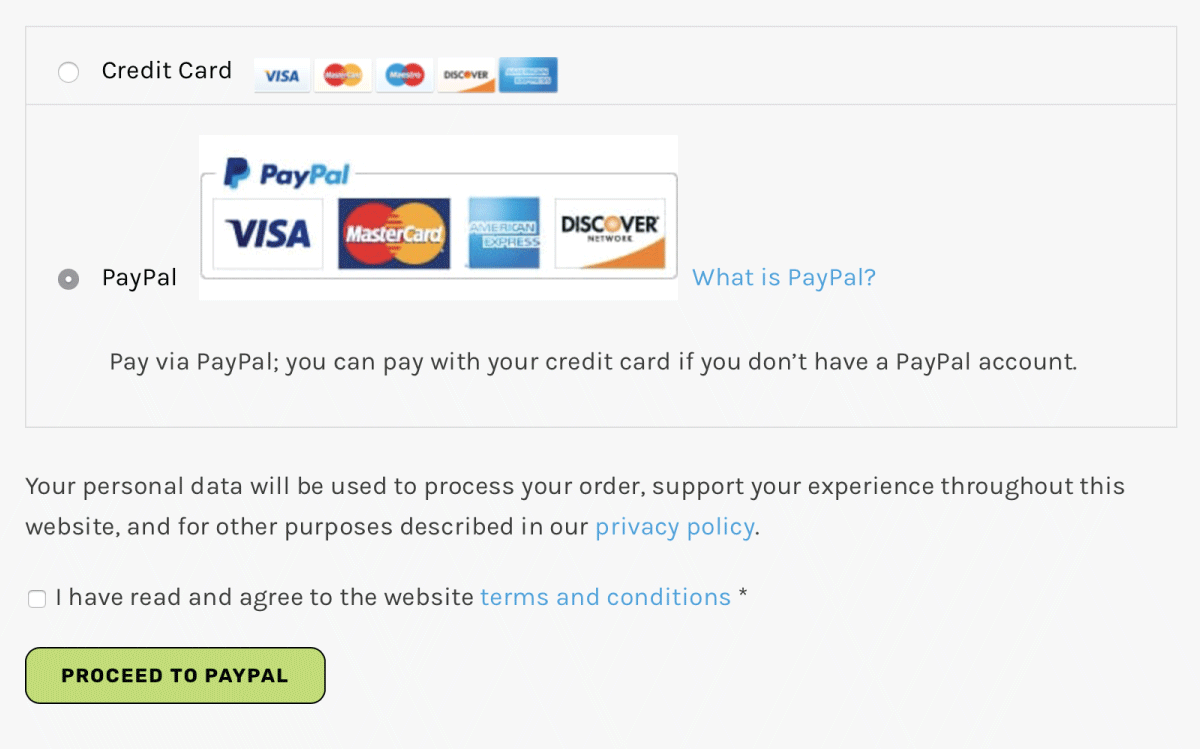
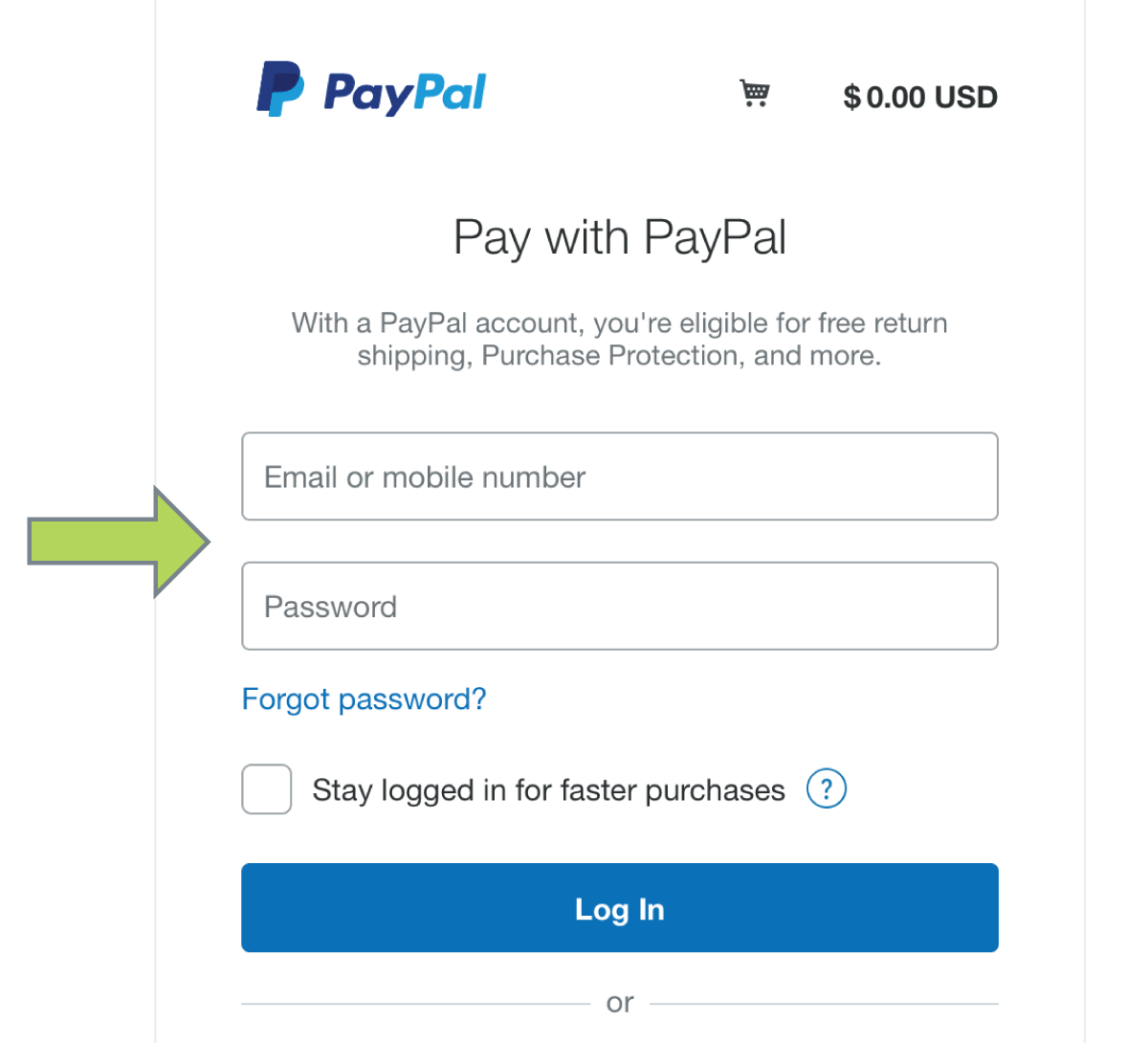
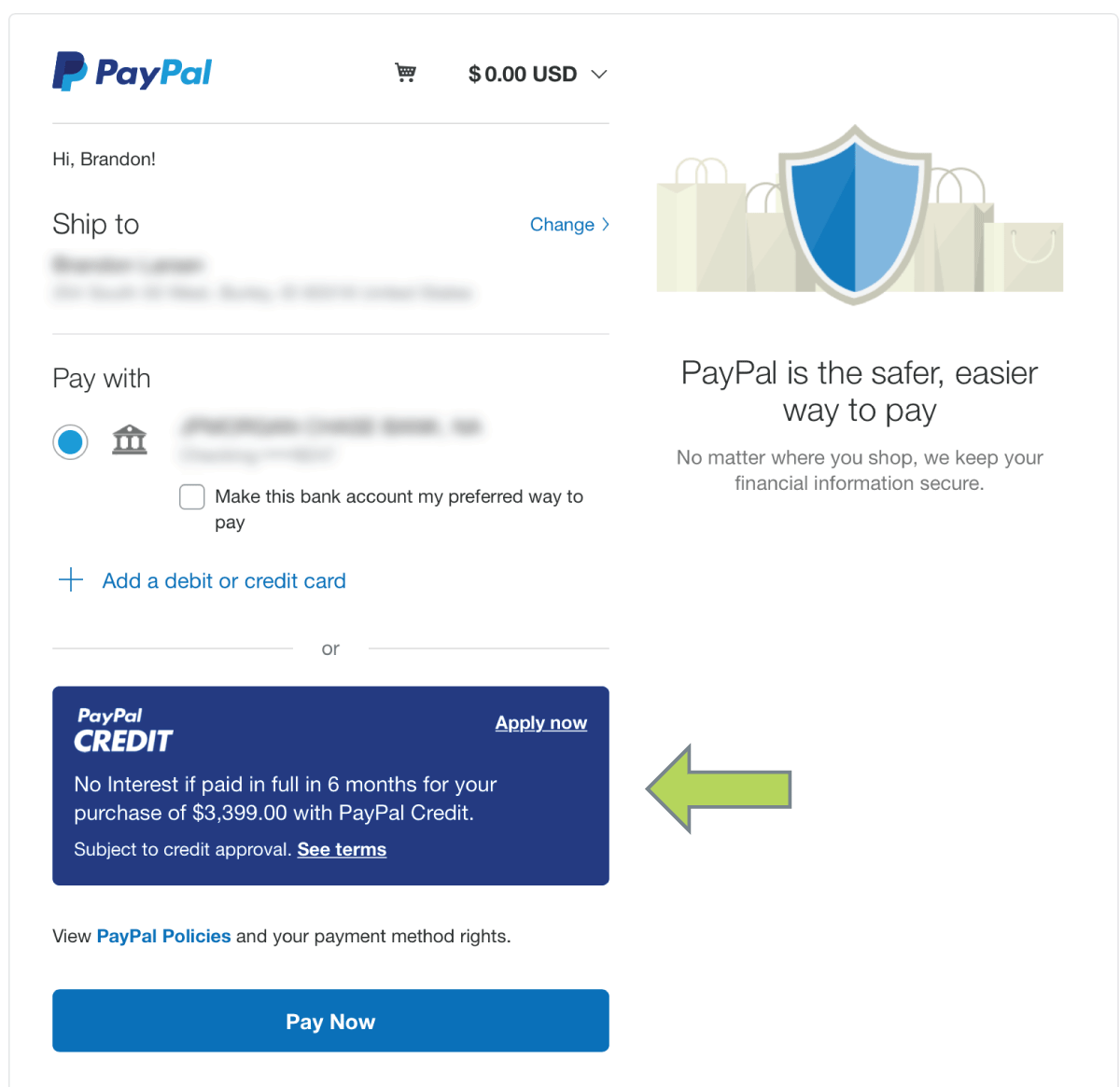
Check the product page for current pricing. 3G Cardio offers a 30-day money-back guarantee that also covers shipping costs, plus 6 months of 0% financing through PayPal Credit.
Buy it for the 62 inch deck, the 400 lb rating, and a console that never asks for a monthly fee.
2. NordicTrack Commercial 1750: best for iFIT classes
The NordicTrack Commercial 1750 is the best commercial treadmill for runners who want guided workouts on a big screen. It ranks first in several rounds of independent testing, and its automatic speed and incline control is the reason most buyers choose it.
Specs that matter
- Speed and incline: up to 12 mph, -3% decline to 12% incline
- Deck: 60 inches long
- Screen: tilt-and-pivot HD touchscreen with iFIT
- Weight: about 311 lb, foldable with EasyLift Assist
- Noise: one tester measured 46.8 decibels at top speed
- Programming: iFIT adds $39 per month after the first free month
Published weight capacity and motor size differ between reviews, from 300 to 400 lb and from 3.5 to 4.25 CHP. Confirm the rated user weight with the seller before you order. Testers praised the cushioning and the lack of shake, and one noted the belt felt slightly narrow during hard intervals.
Who it suits
Class lovers and hill runners get the most from it. iFIT adjusts speed and incline for you as the trainer talks, and its Google Maps routes recreate real terrain. The decline setting is rare at this price, and it gives you eccentric hamstring work that flat treadmills cannot.
Households that want one machine for walking and running also do well here. The fold-up design recovers floor space, though the machine stays heavy.
Drawbacks and cost
Expect to pay around $2,000, with some listings higher. iFIT is effectively required to get the full value, so budget the monthly fee. Reviewers also flag a heavy build, a long assembly (one tester needed about 90 minutes and a second pair of hands for the console), and the garage warranty restriction.
The 1750 is a great machine if you will actually use the classes and pay for them.
3. Sole TT8: best for heavy users and high mileage
The Sole TT8 is the pick when durability matters more than screens. It is a heavy, plain, strongly built treadmill with a 400 lb rating and lifetime frame and motor warranties.
Specs that matter
- Motor: 4.0 CHP with a 10 lb flywheel
- Speed: up to 12 mph
- Incline: 15 levels plus a 6% decline
- Weight: supports users up to 400 lb, does not fold
- Build: 3-inch crowned rollers and a wax-coated deck rated for up to 20,000 miles
- Extras: Bluetooth, 10 built-in programs, basic screen
- Warranty: lifetime frame and motor
The motor and flywheel combination keeps speed changes smooth, and testers scored durability 5 out of 5. The console is simple and Sole has no interactive app of its own, so you will stream through your own device.
Who it suits
Heavier runners and walkers benefit most. With the same 400 lb rating as the Elite Runner X and a decline setting, it covers a wide training range. High-mileage users also gain from the 20,000-mile deck figure.
It also suits a dedicated room. If the treadmill stays in one place and you value a machine that takes a beating, the TT8 fits.
Drawbacks and cost
The TT8 is heavy enough that a tester called moving it alone near impossible, and it does not fold. One review puts it under $3,000, so confirm current pricing before you buy. Skip it if your space is tight or you want a touchscreen.
Choose the TT8 for toughness and a decline setting, not for screens.
4. NordicTrack X24: best for steep incline training
The NordicTrack X24 is the best choice for hill work, with an incline range from -6% to 40%. Most treadmills stop at 15%, so this machine trains hikers and hill runners in a way few others can.
Specs that matter
- Incline: -6% decline to 40% incline
- Speed: up to 12 mph
- Motor: 4.25 CHP
- Deck: 22" x 60"
- Screen: 24" HD pivoting touchscreen with iFIT
- Weight: 445 lb in the box, does not fold
- Step-up height: over 13 inches
Reviewers rated durability 5 out of 5 and noted no shaking at top speed on steep incline. iFIT adds $39 per month after a free trial. Listed weight capacity ranges from 300 to 400 lb across sources, so verify it for your weight.
Who it suits
Hikers, hill runners, and athletes preparing for mountain races get the most from it. A 40% grade loads quads and glutes in ways a 12% grade cannot. The cushioning also earned praise from an ultramarathon tester.
Class lovers will like the large screen. If your home gym has a permanent spot for a very large machine, this is the most capable treadmill here.
Drawbacks and cost
It is the most expensive and heaviest of the eight. Reviews give prices from roughly $3,000 to $4,300 depending on sale timing. The high step-up makes it a poor fit for anyone with balance problems, and it earned the lowest footprint score of any machine here.
The X24 is a specialist, so buy it for the incline or skip it.
5. Life Fitness T3: best lighter commercial build
The Life Fitness T3 brings a gym-floor brand’s build to a lighter, more home-sized machine. It weighs 243 lb, which is light for a commercial treadmill, while holding up to 350 lb of user weight.
Specs that matter
- Motor: 3.0 HP DC
- Speed and incline: up to 12 mph, 0% to 15%
- Deck: 60" x 20" with FlexDeck cushioning
- Weight: 350 lb capacity, 243 lb machine, does not fold
- Console: LED or LCD options, basic stats
- Warranty: lifetime frame, 10-year motor
Reviewers found it durable and scored portability 5 out of 5 among commercial machines. The tech is basic. Expect workout time, distance, and calories, with no touchscreen programming.
Who it suits
Buyers who trust a commercial-gym brand and want a lighter, simpler machine fit here. It works for walkers and runners up to about 250 lb with headroom. The 60 inch deck handles tall users.
It also suits households that value a quiet, plain console. You get a real commercial pedigree without a massive, tech-heavy machine.
Drawbacks and cost
Reviewers call it pricey for what it offers, and the missing fold means it needs permanent floor space. If you want classes, a screen, or a decline setting, look elsewhere. At 3.0 HP it sits below the Sole TT8 and Elite Runner X on motor size.
The T3 is a gym brand’s lighter build for runners who want simple and quiet.
6. 3G Cardio Pro Runner X: best folding treadmill for serious running
The 3G Cardio Pro Runner X is the choice when you want a serious running deck but cannot give up floor space. It folds to 40 inches long and still offers a 58 inch orthopedic belt.
Specs that matter
- Motor: 3.0 HP
- Speed and incline: 0.5 to 12 mph, 15 incline levels
- Deck: 20.5" x 58" orthopedic belt, 6.5" step-up at the lowest point
- Size: 74" L x 35" W assembled, 40" L folded
- Weight: 216 lb machine, 350 lb max user weight
- Console: FTMS Bluetooth, 8 programs, 2 custom, fitness tests, fan, heart rate grips
- Warranty: residential is lifetime motor, lifetime frame, 5 years parts, 1 year labor
The low deck makes stepping on easy, and the 58 inch belt clears the 55 inch minimum for running. A wireless chest strap is optional. Like the flagship, it connects to apps through BYOS with no subscription.
Who it suits
Apartment dwellers, small home gyms, and runners who want quality without the flagship size are the target. At 216 lb it is the lightest folding machine here that still carries a 350 lb rating.
Runners under about 250 lb who do their miles at home fit best. A taller runner with a long stride may prefer the 62 inch deck on the Elite Runner X.
Drawbacks and cost
It has a smaller motor than the flagship, no decline, no built-in touchscreen, and no commercial warranty listed. It suits home use more than facility use. See the product page for current pricing and delivery options, including optional White Glove installation.
Pick the Pro Runner X when space is the constraint and running quality is not negotiable.
7. Sole F63: best under $1,300
The Sole F63 gives you a folding deck, a 3.0 CHP motor, and lifetime frame and motor coverage for under $1,300. It is the least expensive pick here, and the most basic.
Specs that matter
- Motor: 3.0 CHP
- Speed and incline: up to 12 mph, 15 incline levels
- Weight: 325 lb max user weight, folds
- Console: 6.5" LCD, 10 programs, Bluetooth speakers, USB port
- Warranty: lifetime frame and motor
It tracks heart rate through built-in pulse sensors and links to watches by Bluetooth. Testers liked the simple speed and incline controls. They noted it shakes a little at higher intensities and that the safety key is slow to stop the belt.
Who it suits
Budget-minded runners and walkers who want solid warranty coverage fit best. If you jog three or four times a week and weigh under about 225 lb, the F63 covers the basics with margin.
It also suits small spaces. The fold lets you stash it between sessions, and testers praised the value.
Drawbacks and cost
Its 325 lb rating and 3.0 CHP motor put it below the other picks for heavy users. The screen is small, and shake at speed is a real downside for sprint work. If you want more capacity or a decline setting, move up to the TT8.
The F63 is the cheapest way to get a lifetime frame and motor warranty on a folding deck.
8. Horizon 7.0 AT: best for app syncing on a budget
The Horizon 7.0 AT is a budget treadmill that syncs with training apps and still offers a 60 inch deck. It typically sells for about $1,000 to $1,100, and it is one of the best-value machines in this group.
Specs that matter
- Motor: 3.0 CHP
- Speed and incline: up to 12 mph, 0% to 15%
- Deck: 20" x 60"
- Weight: 325 lb max user weight, over 220 lb machine weight, folds
- Console: 7.25" LCD, 8 programs, tablet holder, Bluetooth speakers
- Apps: syncs with Zwift, Peloton, and similar apps, but not iFIT
- Warranty: lifetime frame
Warranty terms for the motor and parts differ across reviews, so confirm them before you buy. Horizon often lists a high manufacturer price, and the real selling price is much lower.
Who it suits
Interval trainers and class streamers on a budget get the most out of it. The quick-dial controls let you change pace fast, and the app syncing means your own tablet becomes the screen.
It also suits buyers who want a 60 inch deck without paying for a touchscreen. The fold-up design adds flexibility for small homes.
Drawbacks and cost
One test measured over 70 decibels from about 4 feet away, so it is the loudest here. The rollers are small, the belt is on the thin side, and there is no touchscreen or decline setting. Use it for moderate mileage, not for daily heavy use.
The 7.0 AT is a strong value treadmill that trades refinement for price.
Commercial treadmill brands worth knowing
Commercial treadmill brands fall into two groups: companies that outfit health clubs and companies that sell heavy-duty machines for the home. Knowing which group a brand belongs to tells you how it is sold, serviced, and priced.
Gym-floor brands
Life Fitness, Precor, Matrix, TRUE, Landice, Freemotion, Intenza, and Woodway are the names you see in health clubs and facilities. These high-end treadmill brands usually sell through dealers, so expect to request quotes instead of clicking a cart button. Woodway is known for slat-belt designs and sits at the top of the market.
These machines suit facilities buying at scale and homeowners with large budgets. The Life Fitness T3 above is a lighter line from one of these brands, which is why it appears on a home-focused list.
Home-focused heavy-duty brands
A second group builds commercial-style machines for residential buyers and sells them direct or through retailers. Their prices are lower, their support is more personal, and their warranties are written for home use.
| Brand | Models in this guide | Best known for |
|---|---|---|
| 3G Cardio | Elite Runner X, Pro Runner X | 400 lb rating, no subscription |
| NordicTrack | Commercial 1750, X24 | iFIT screens, incline range |
| Sole | TT8, F63 | Lifetime frame and motor warranties |
| Life Fitness | T3 | Gym-brand build, lighter weight |
| Horizon | 7.0 AT | Budget price, app syncing |
Before you commit to any brand, ask who services it near you and what the labor warranty covers. Parts coverage means little if nobody will come to your house.
Match the brand to the service you will need, not just the spec sheet.
How to choose a commercial treadmill by budget and use
Choose by body weight first, then space, then budget. Commercial treadmills in the sources usually start around $2,000 and run to $5,000 or more, though the folding picks here start lower.
Side-by-side comparison
| Treadmill | Motor | Top speed | Incline | Max user weight | Folds |
|---|---|---|---|---|---|
| Elite Runner X | 4.0 HP | 12 mph | 0% to 15% | 400 lb | No |
| NordicTrack Commercial 1750 | 3.5 to 4.25 CHP | 12 mph | -3% to 12% | 300 to 400 lb (sources differ) | Yes |
| Sole TT8 | 4.0 CHP | 12 mph | 15 levels, 6% decline | 400 lb | No |
| NordicTrack X24 | 4.25 CHP | 12 mph | -6% to 40% | 300 to 400 lb (sources differ) | No |
| Life Fitness T3 | 3.0 HP DC | 12 mph | 0% to 15% | 350 lb | No |
| Pro Runner X | 3.0 HP | 12 mph | 15 levels | 350 lb | Yes |
| Sole F63 | 3.0 CHP | 12 mph | 15 levels | 325 lb | Yes |
| Horizon 7.0 AT | 3.0 CHP | 12 mph | 0% to 15% | 325 lb | Yes |
A worked example
Take a 230 lb runner who logs 25 miles a week and is 6 feet tall. Add 100 lb of headroom and you need a rating of at least 330 lb. That rules out the Sole F63 and Horizon 7.0 AT at 325 lb. It leaves the Life Fitness T3 and Pro Runner X at 350 lb, plus the Elite Runner X, Sole TT8, and X24 at 400 lb.
Now check the room. A 6 foot user needs a ceiling at least 7 feet 3 inches high, which is body height plus 15 inches. Leave at least 3 feet clear behind the treadmill. For 25 weekly miles at 230 lb, I would pick the Elite Runner X or Sole TT8 for the 4.0 motors and long decks. If floor space ruled those out, the Pro Runner X is the compromise.
Is a commercial treadmill worth it, and where to buy
A commercial treadmill is worth the money if you run most days, weigh over 250 lb, or share the machine with several people. It is not worth it for occasional walking. A durable machine also costs less per year over a long life, and repairs on heavy-duty frames are rarer.
When buying a commercial treadmill for sale, compare delivery as well as price. Heavy crates need curbside or in-home service. Plan your power too: a dedicated circuit helps prevent overload shutdowns, and unplugging the machine when idle protects kids. 3G Cardio sells direct from its Phoenix, Arizona operation, ships in-stock items from its Arizona warehouse in 2 to 3 business days, and offers a 6-month price match. Its machines are also at specialty fitness retailers.
Buy the capacity and warranty you need today, then confirm the delivery plan before you pay.
Which commercial treadmill to buy
The best commercial treadmill depends on your weight, your space, and how you like to train. The Elite Runner X leads for heavy-duty home use, the NordicTrack Commercial 1750 for classes, the Sole TT8 for toughness, and the X24 for hills. The Life Fitness T3, Pro Runner X, Sole F63, and Horizon 7.0 AT cover lighter builds, folding frames, and tighter budgets.
Check the motor, deck length, user weight rating, and warranty before anything else, and confirm the numbers with the seller because sources disagree. If you want a gym-quality machine without a subscription, see the Elite Runner X Treadmill and its current pricing, delivery, and warranty options.

No Comments